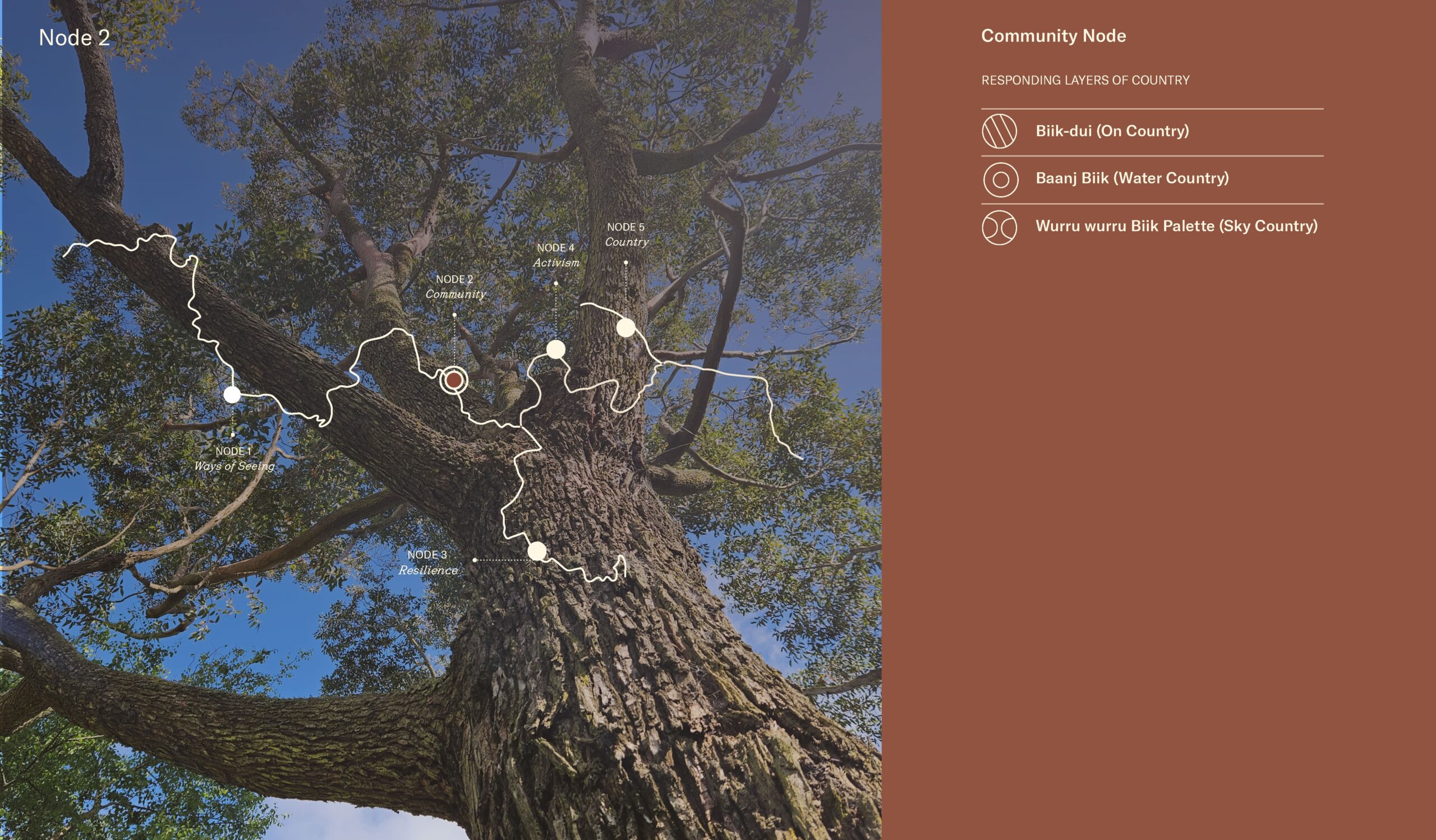
Community Node
Crafted by Djinjama and COLA Studio

Community Node
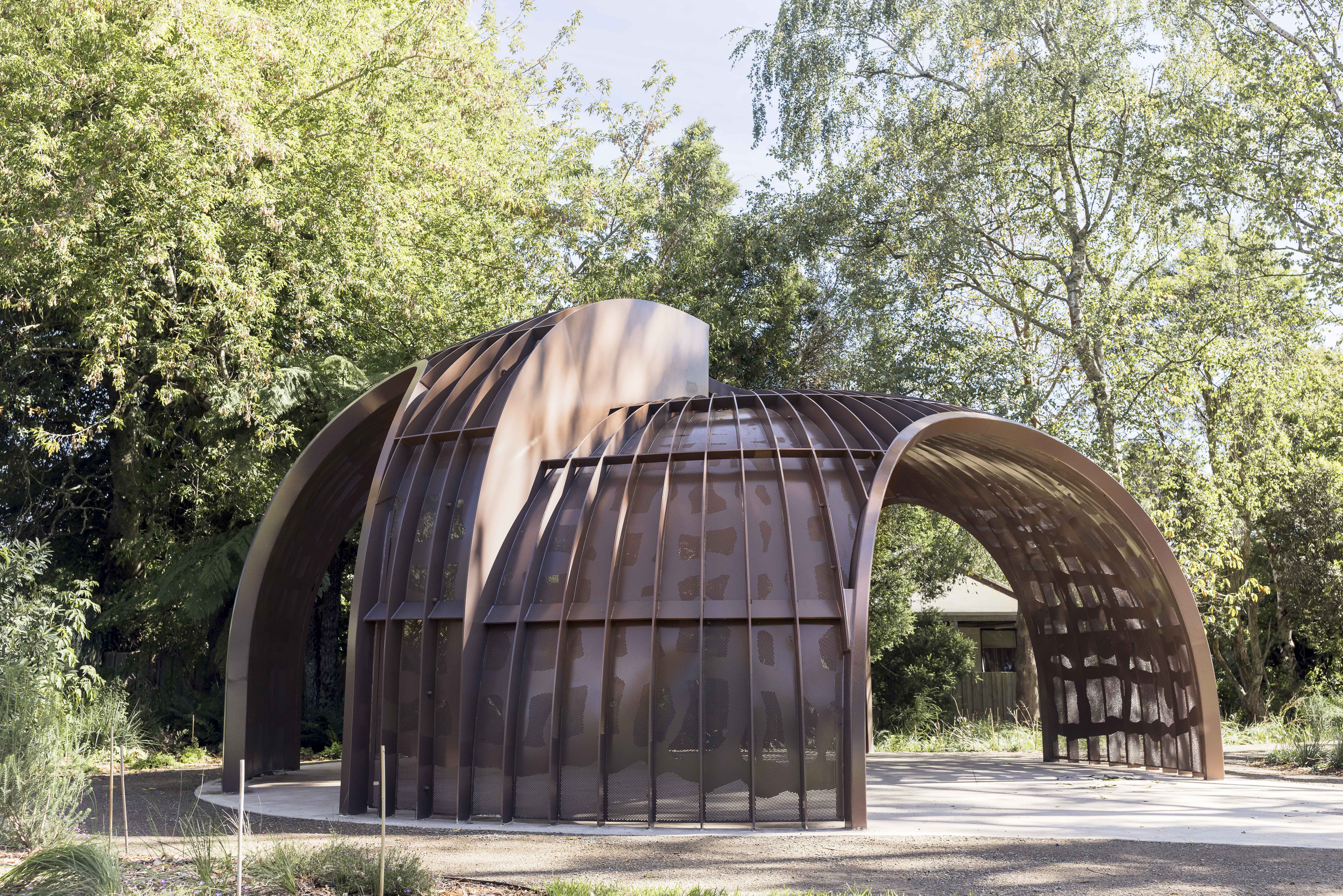
The ngurrak barring Architectural Nodes are collaborative explorations of the themes of the walk through an Indigenous lens, crafted by First Peoples design studios, Djinjama and COLA Studio.
For many First Peoples, community represents strength, resilience, resistance and nurturing. The strength of community(ies) being the reason culture has continued. For some First Peoples who have been forcibly separated, community is an embrace longed for.
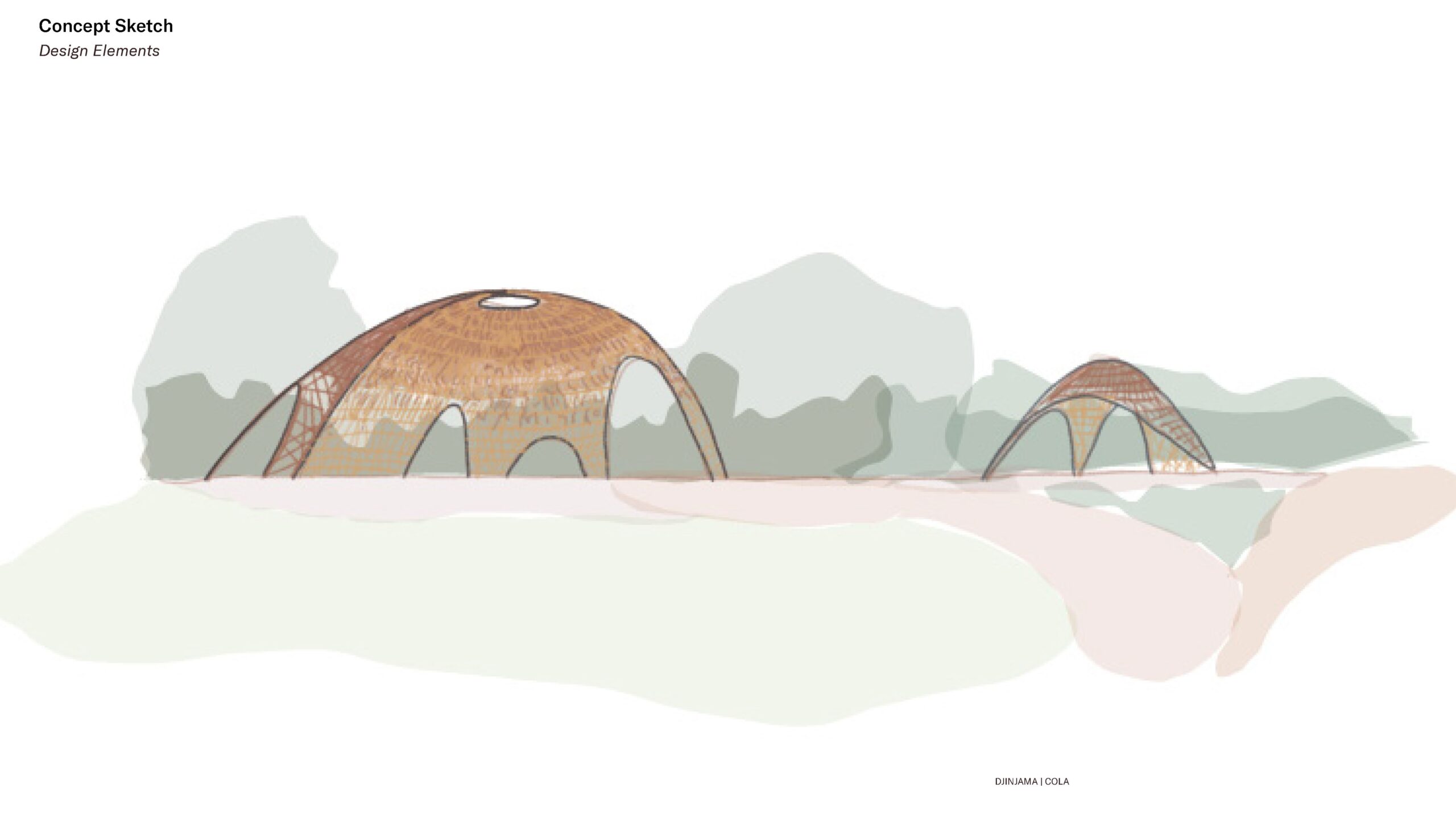
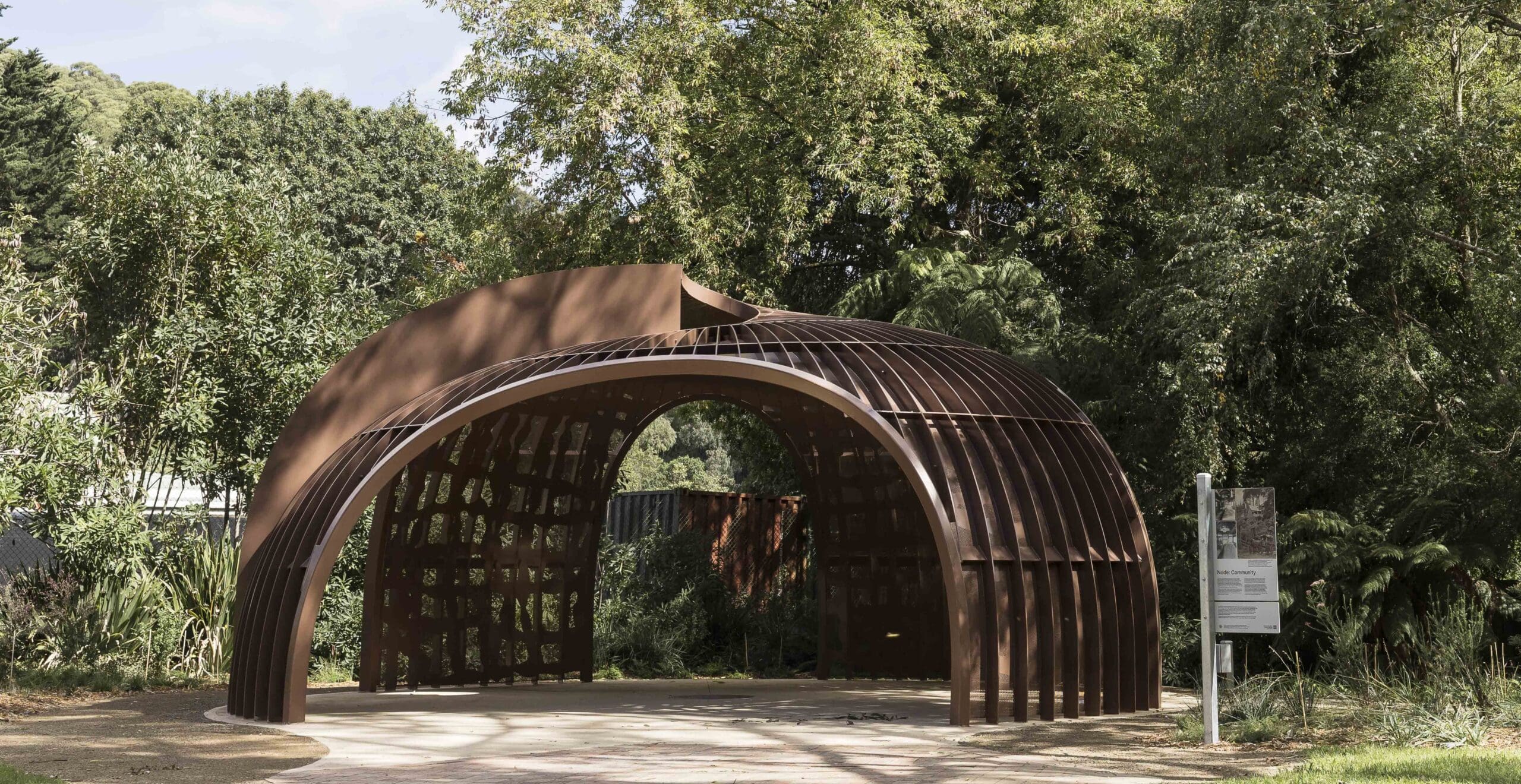
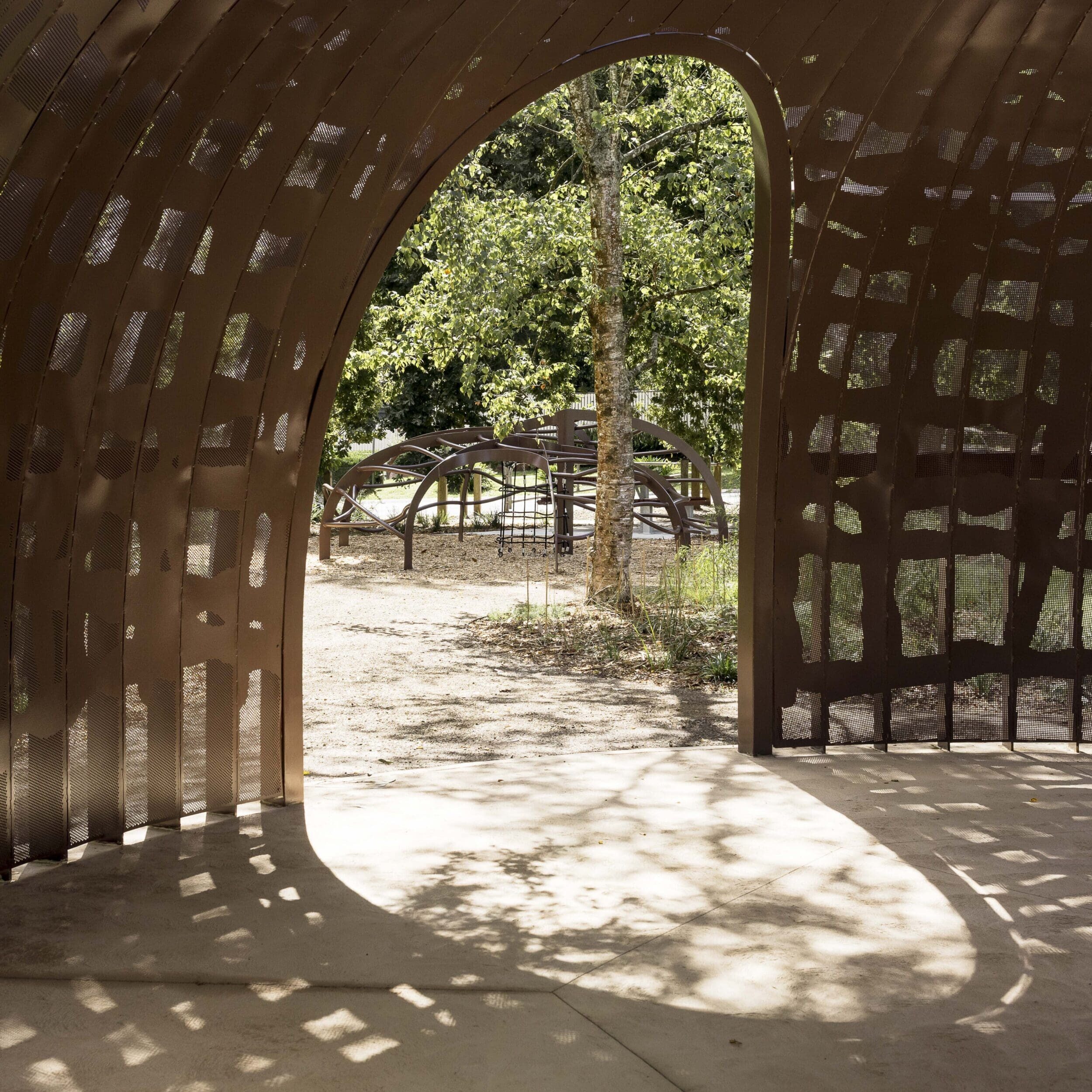
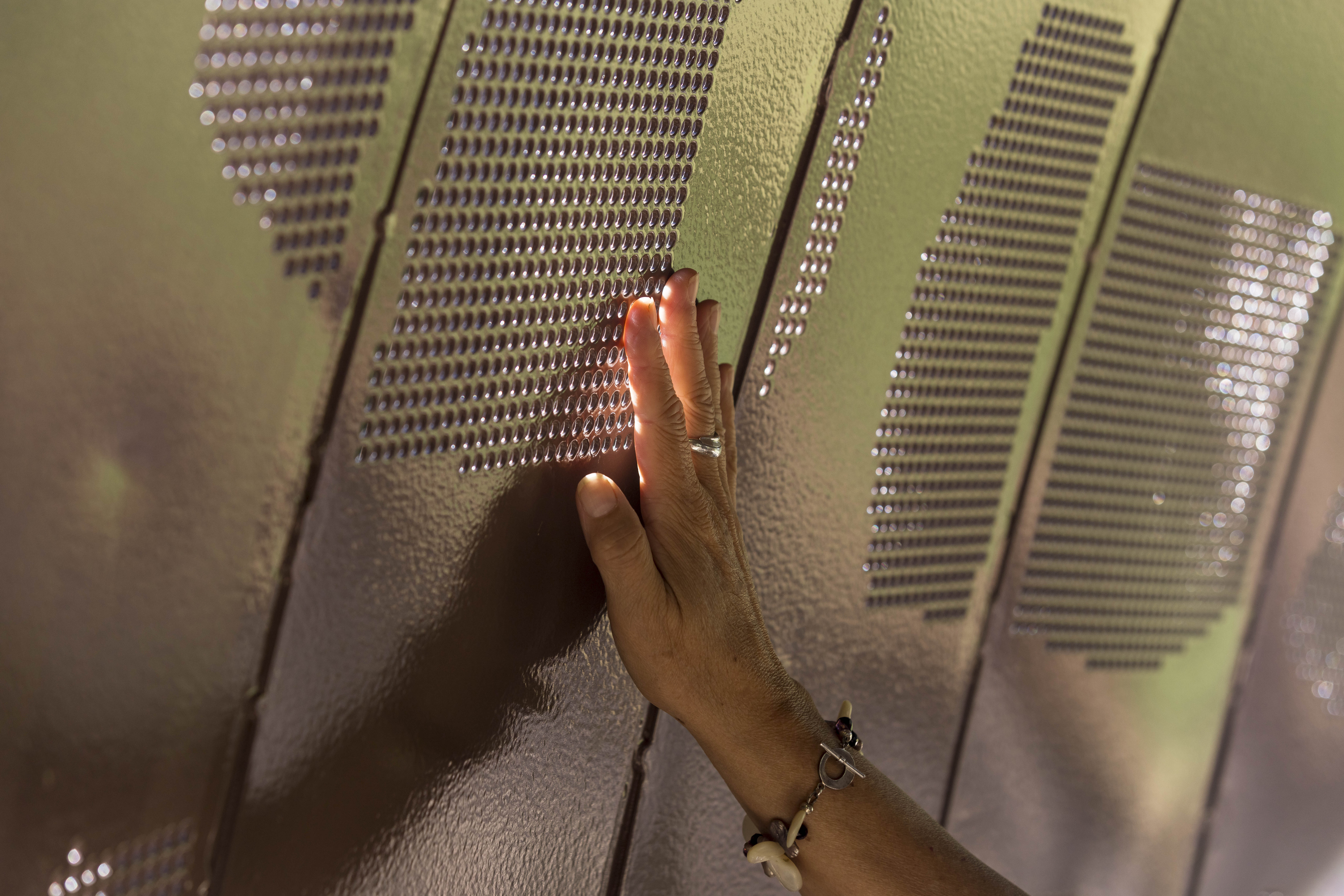

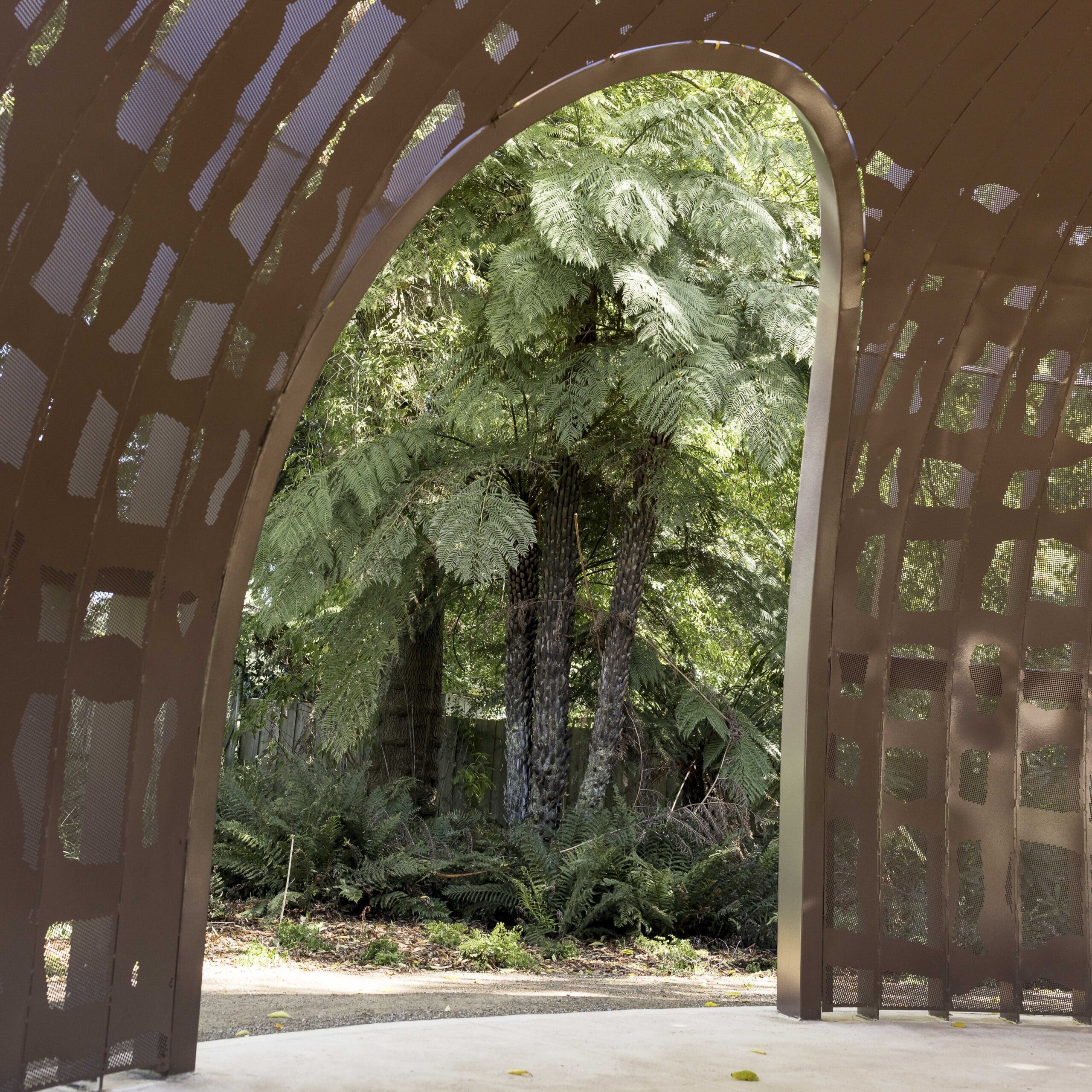
The mother/aunty and child structures here are a representation of the nurturing, nourishment and guidance of community and Country. The welcoming forms are soft, warm and open whilst being strong and sheltering, their strength and structure formed of the many elements woven together. The forms take on the character of a weaving and a fern unfurling, an expression of the indivisible connection between ourselves and Country.
– Design statement
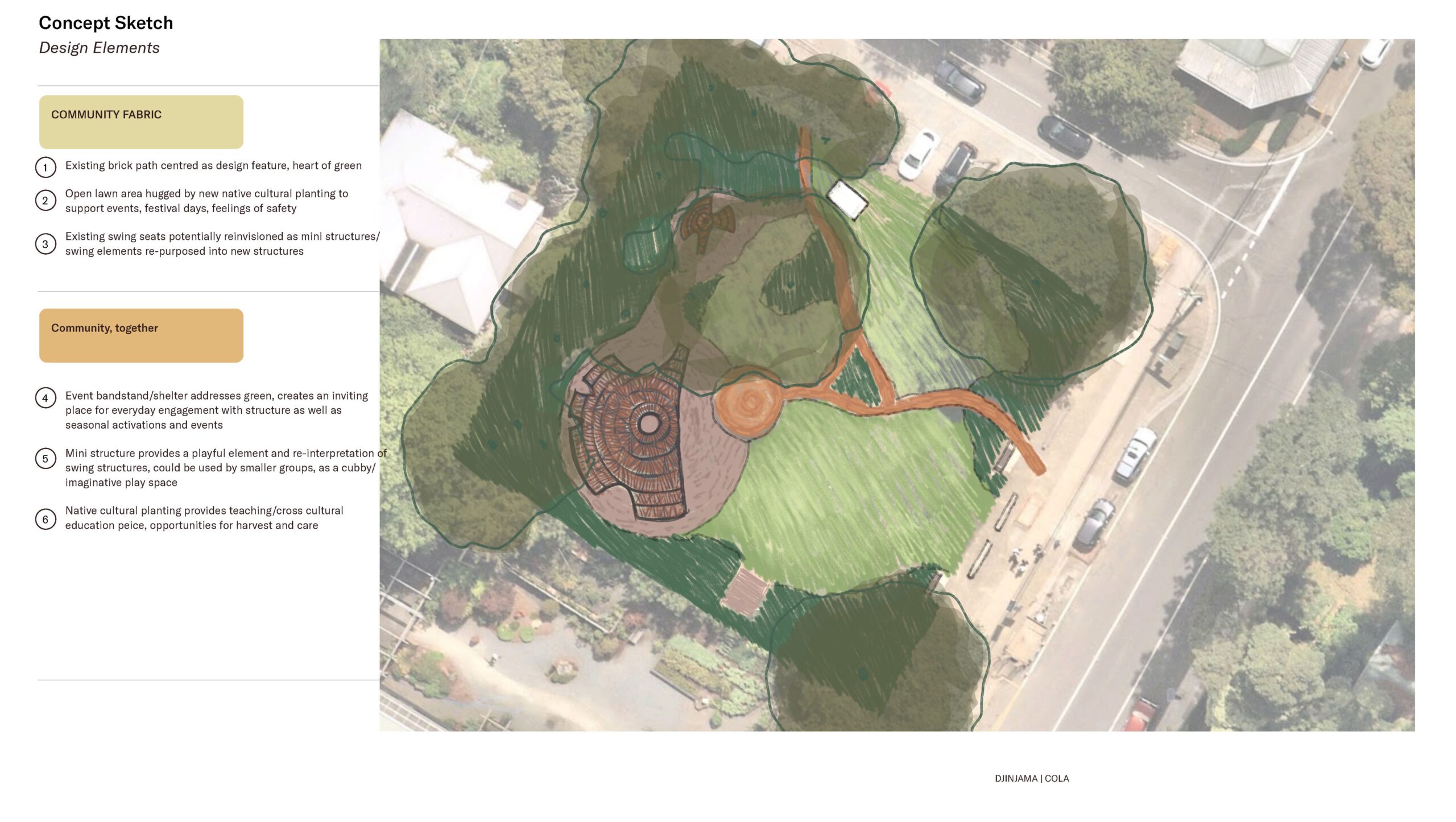
The Community Node is located in the Sassafras Village Green.
IMAGE:
COLA Studio and Djinjama
Community Node, 2026
Sassafras Village Green
Photo: Cathy Ronalds

An invitation to engage with the Node
- Look around the structures.
Can you sense the unfurling of the structures, the strength in their togetherness?
- Look at the patterns cast in shadow and through the light. Can you see the weaving?
- Move through the paths. Can you feel the community’s love for place?
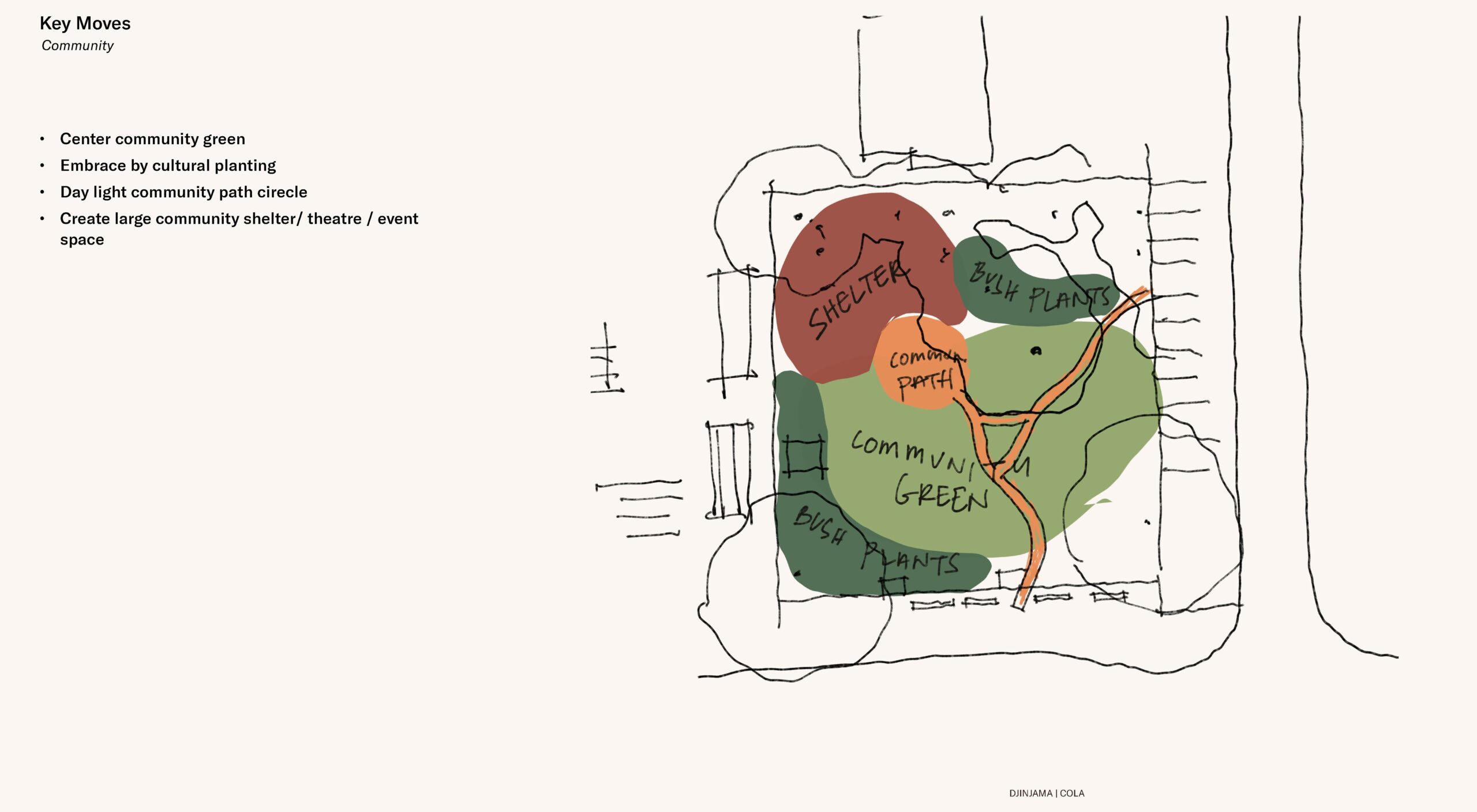
Community Node: Concept and Design Elements
Djinjama and COLA Studio ICIP statement
We aim to work respectfully with all peoples and to protect the rights of Country and all entities of Country. While this work is the copyright of Djinjama and COLA Studio, it is important to note that any Indigenous Cultural Intellectual Property (ICIP) rights remain with those Indigenous peoples or groups from whom it originates. ICIP refers to Indigenous people’s heritage and culture (where heritage includes all aspects of cultural practices, traditional knowledge, and resources and knowledge systems developed by Indigenous people as part of their Indigenous identity) and is collective in that ICIP originates from a clan group and is passed on from generation to generation.