
Architectural Nodes
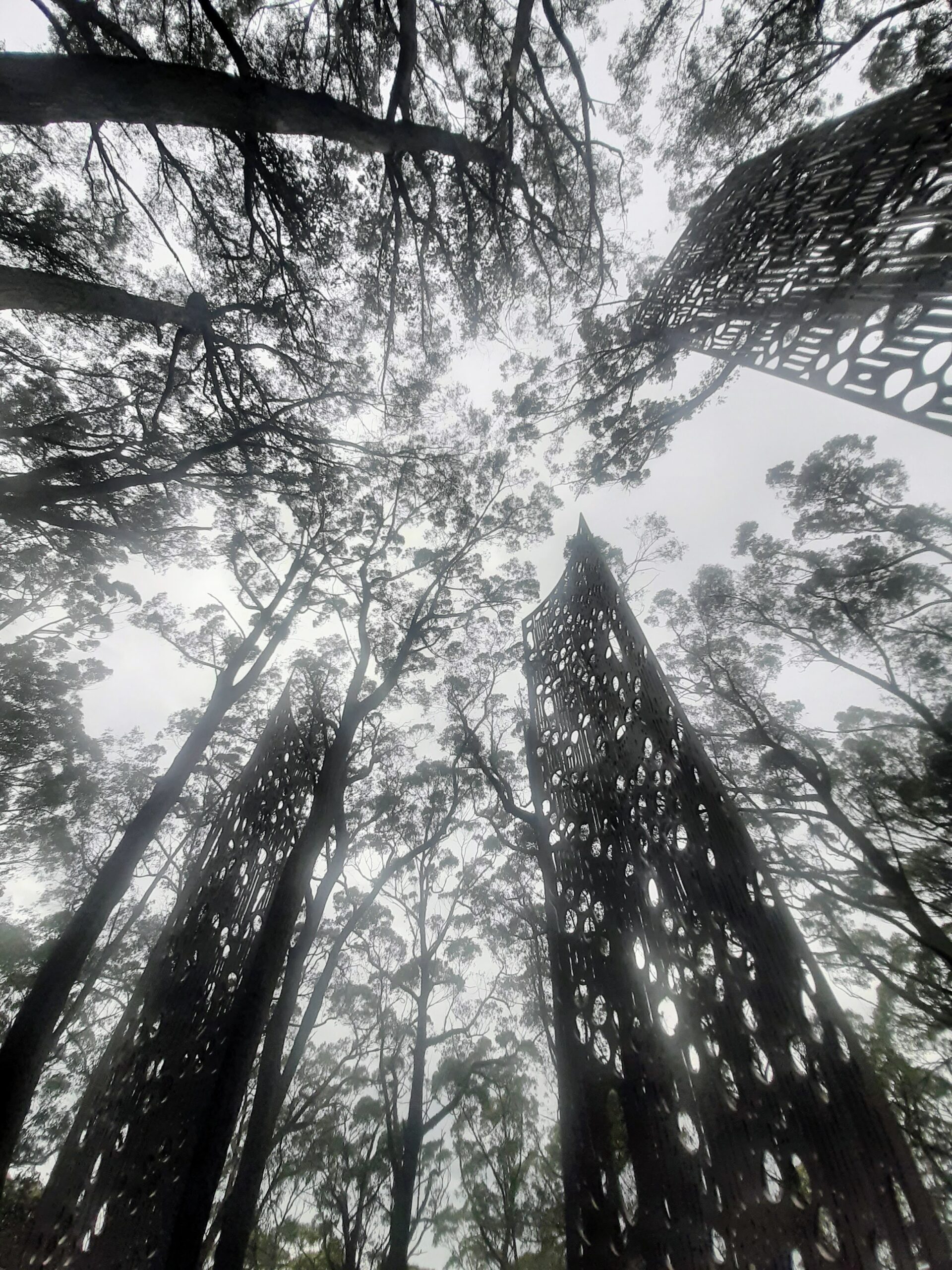
Pause within these reflective spaces and contemplate the surrounding environment
Architectural Nodes
A node is a meeting point and a site of connection.
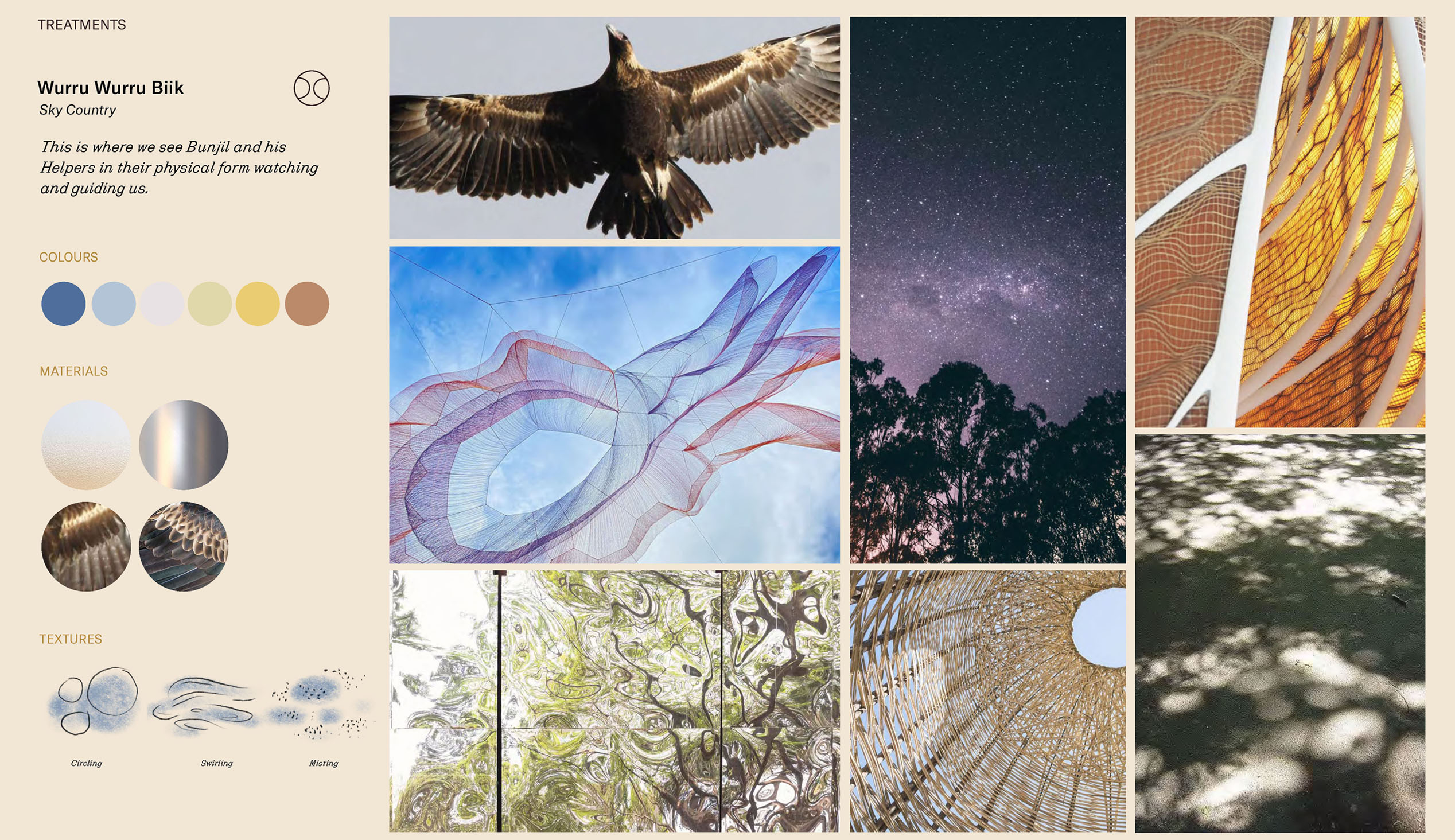
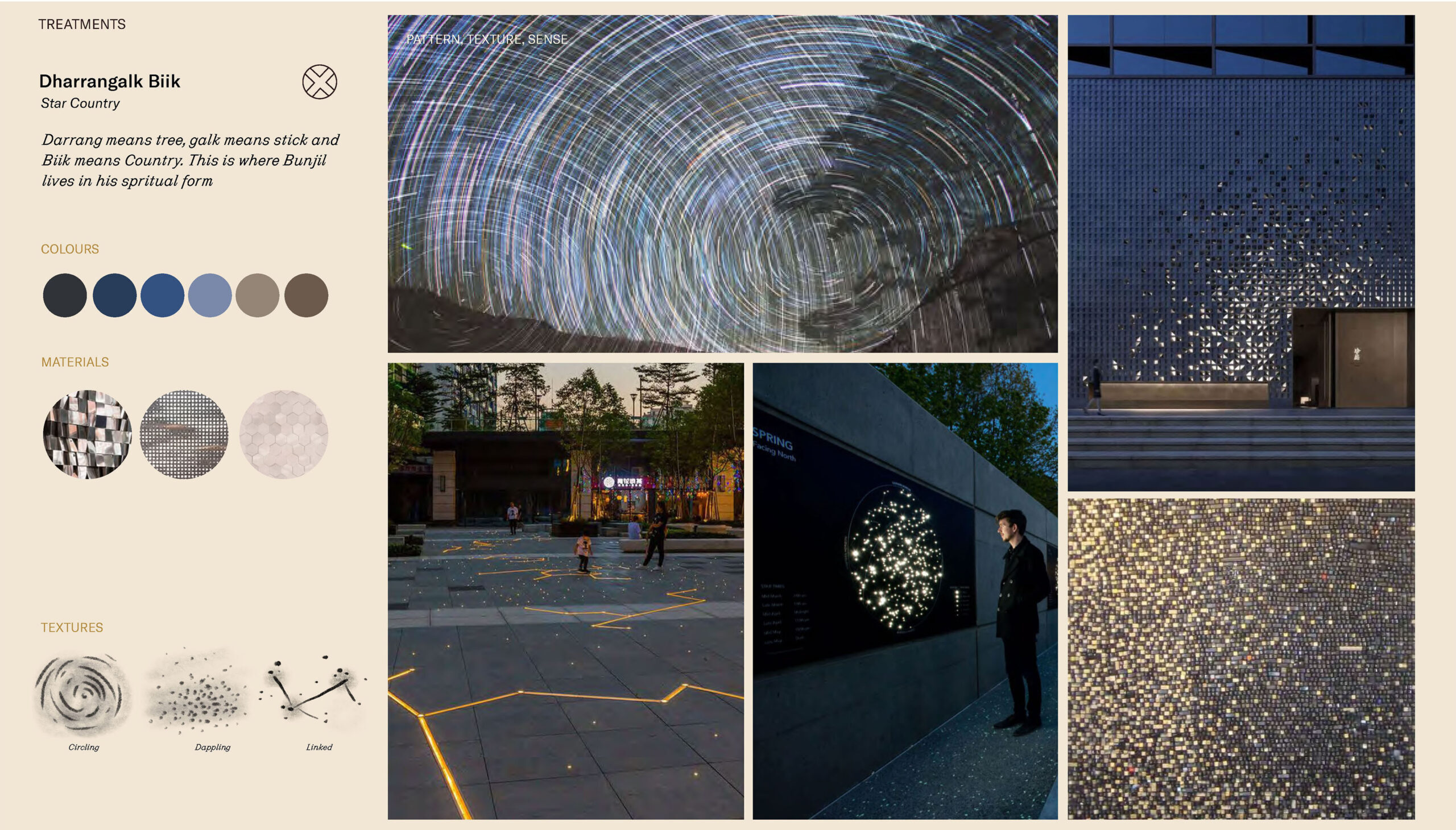
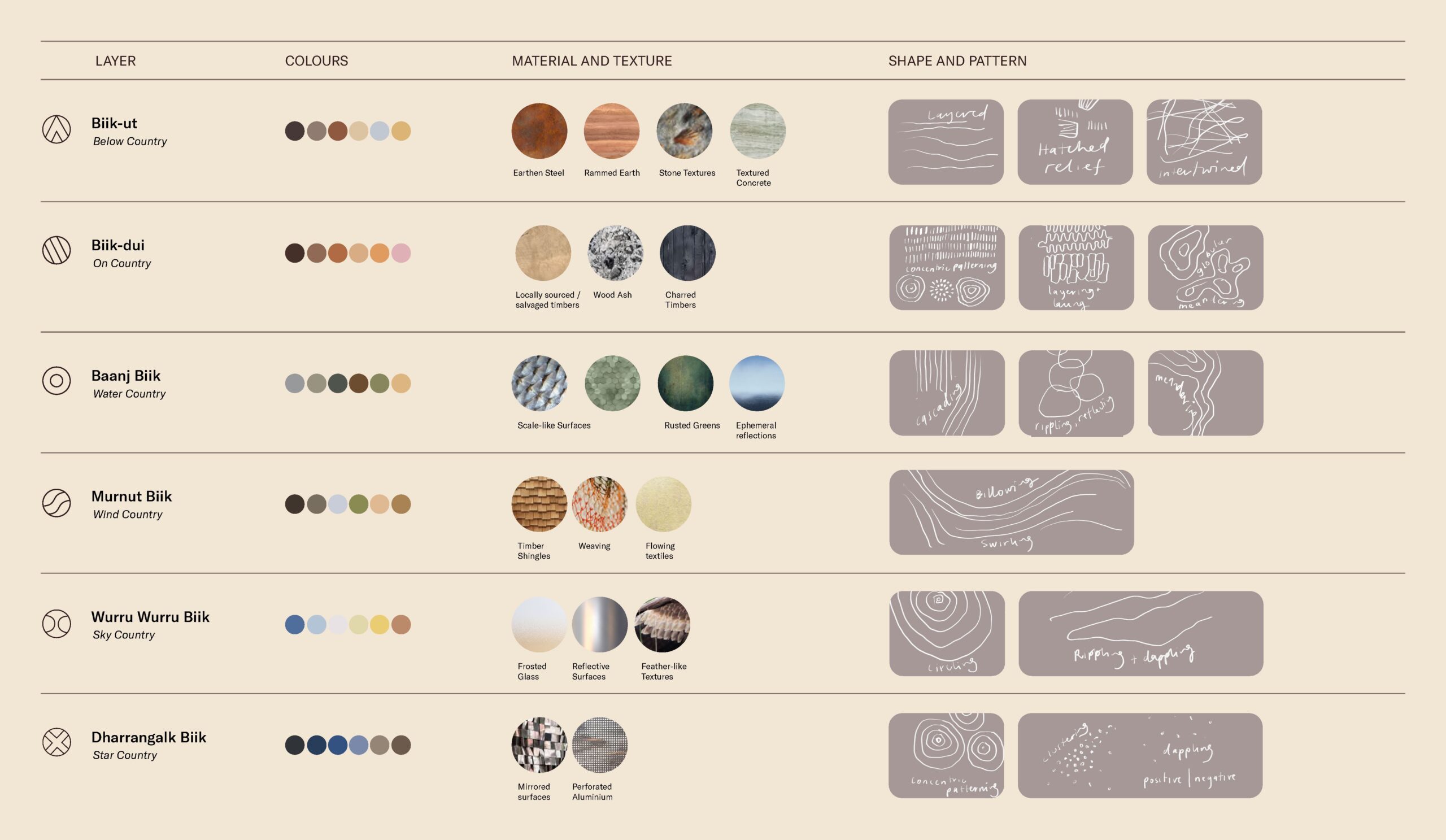
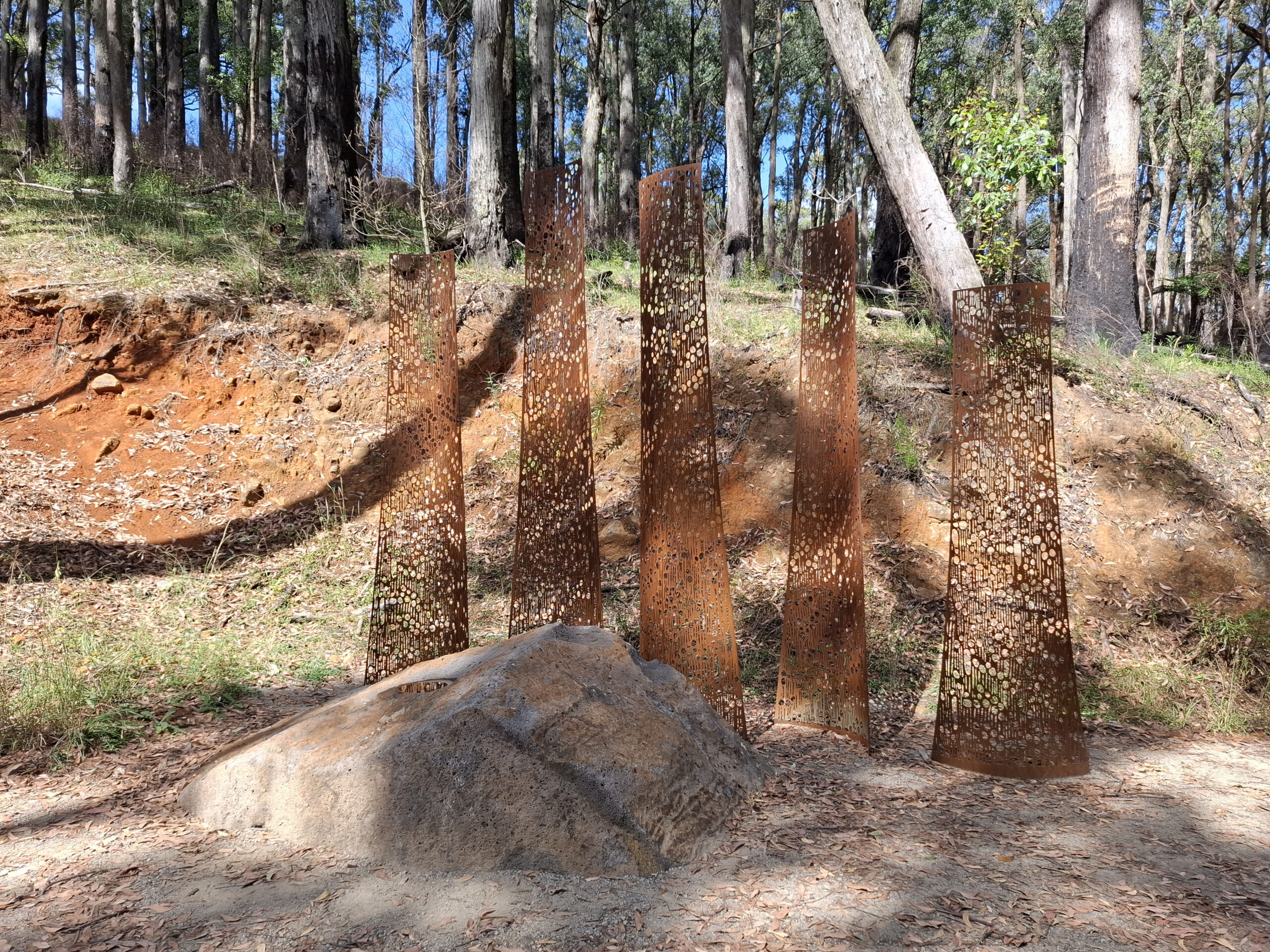
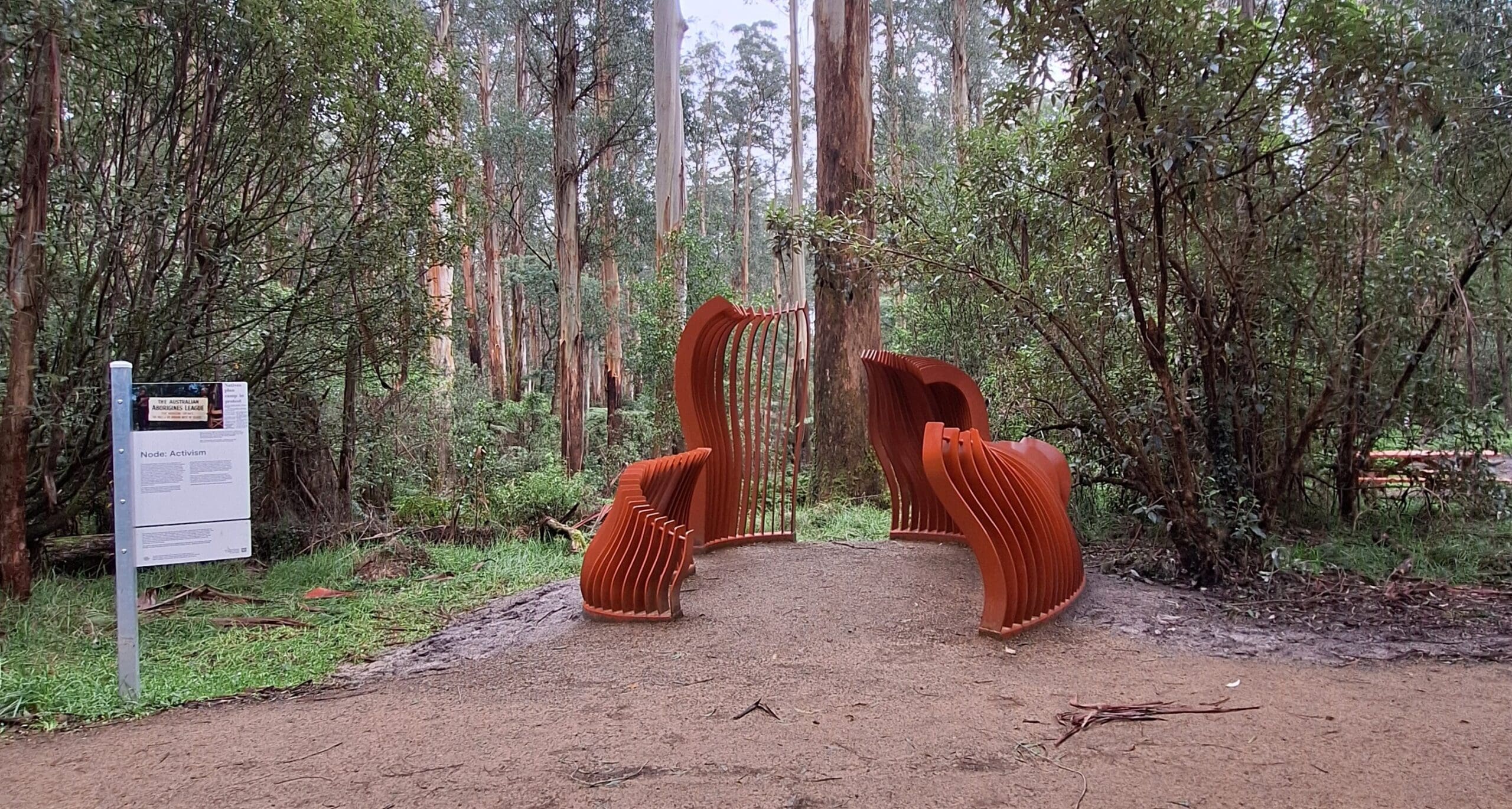
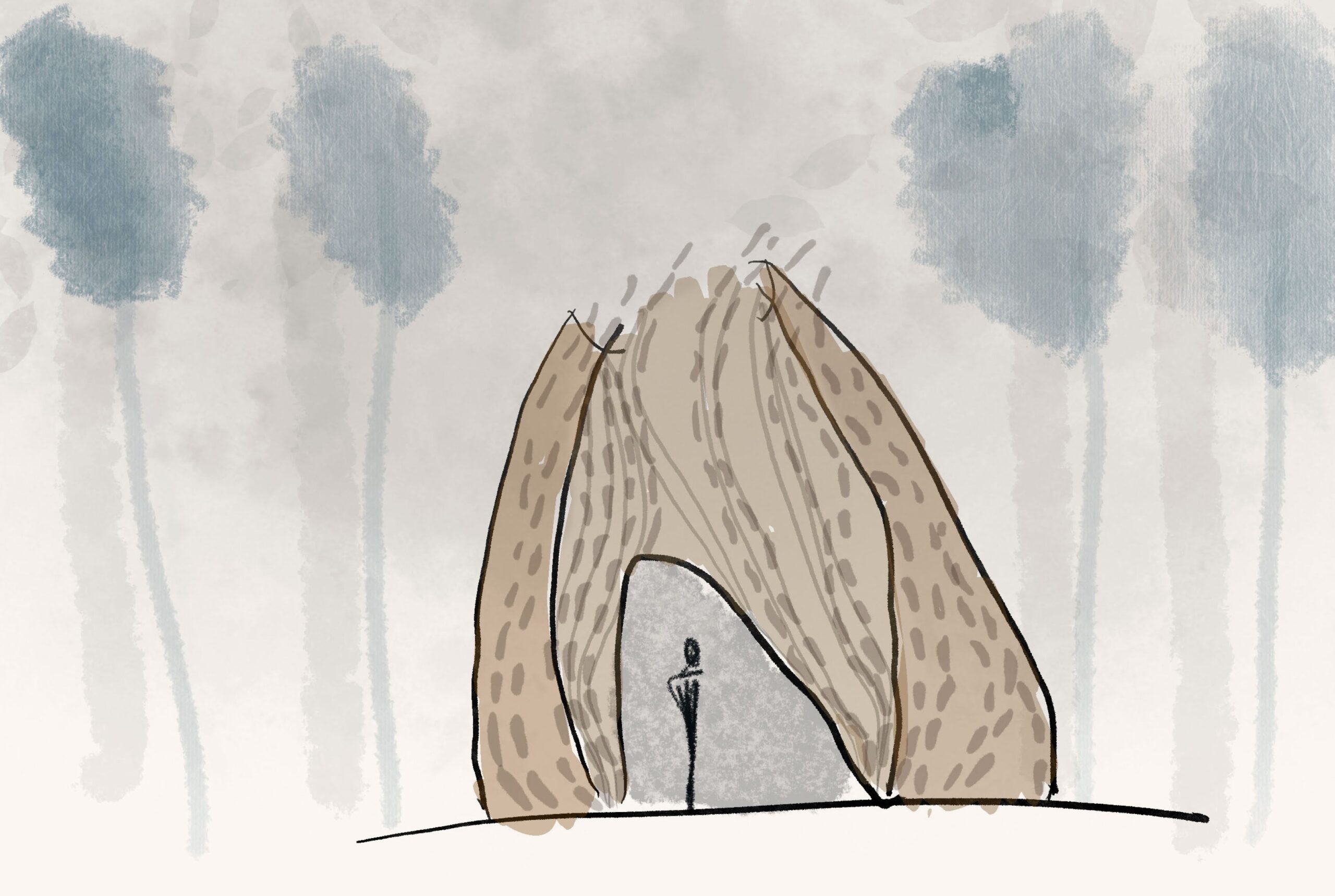
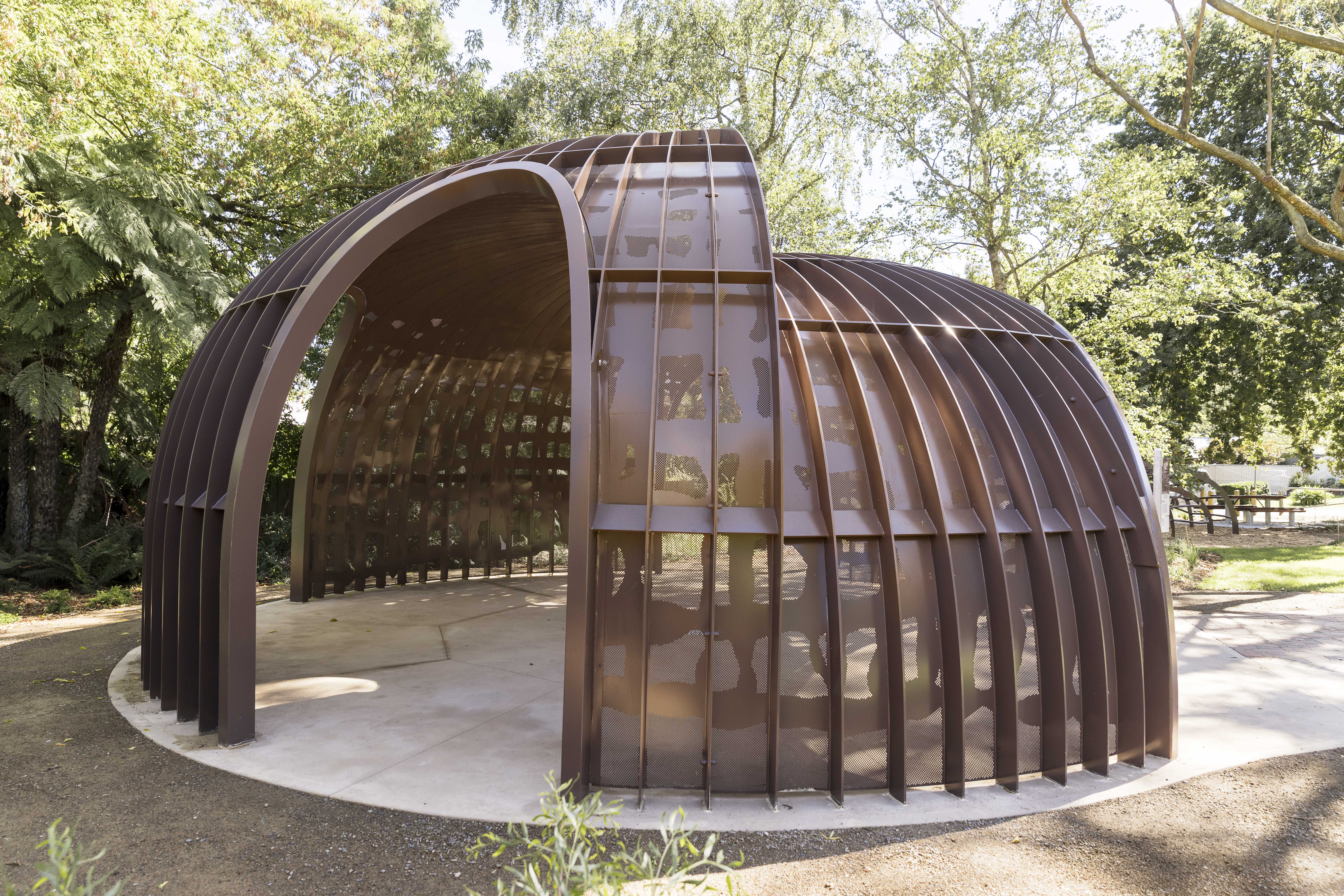
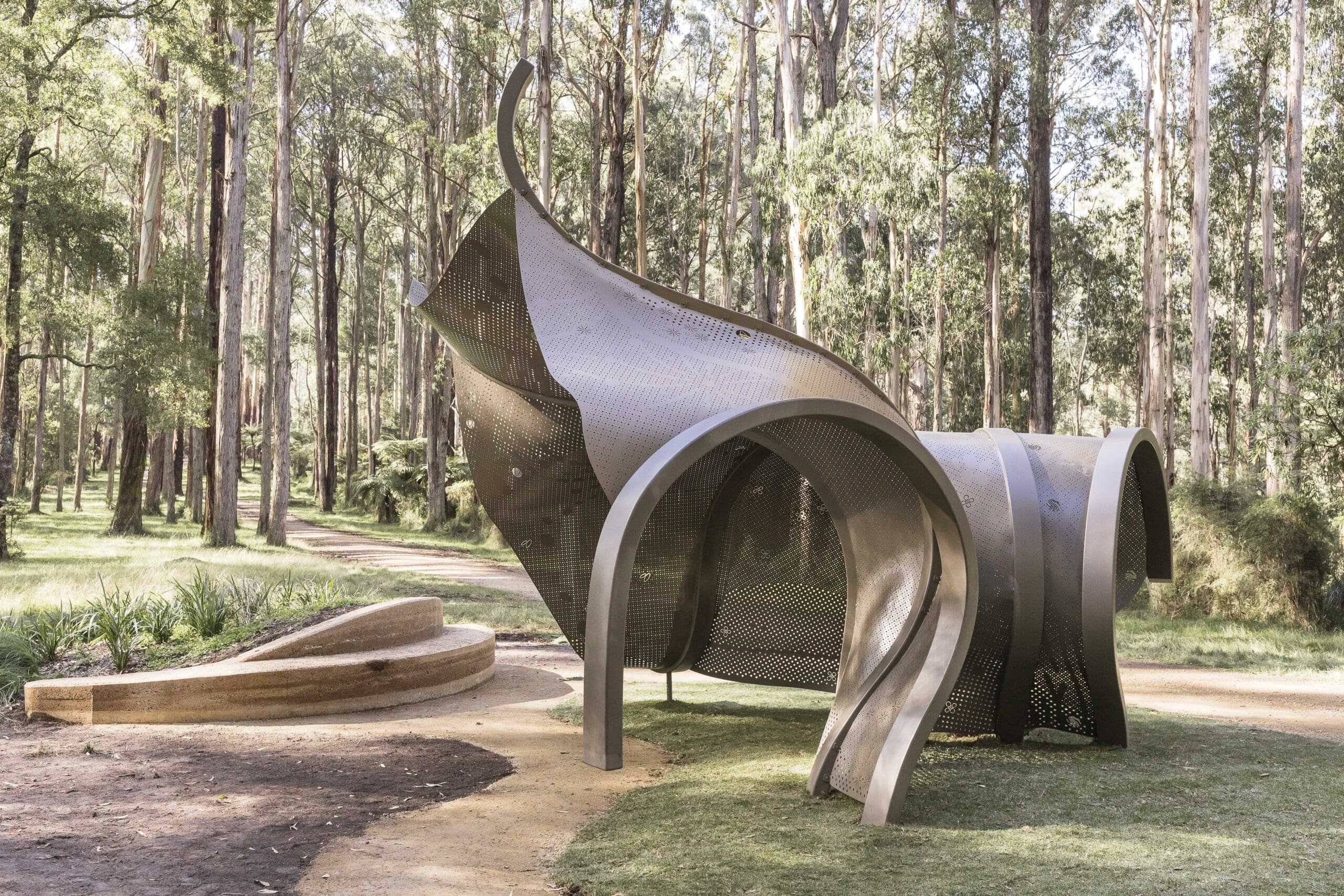
For ngurrak barring, First Peoples design studios Djinjama and COLA Studio have collaborated on the design of five Architectural Nodes.
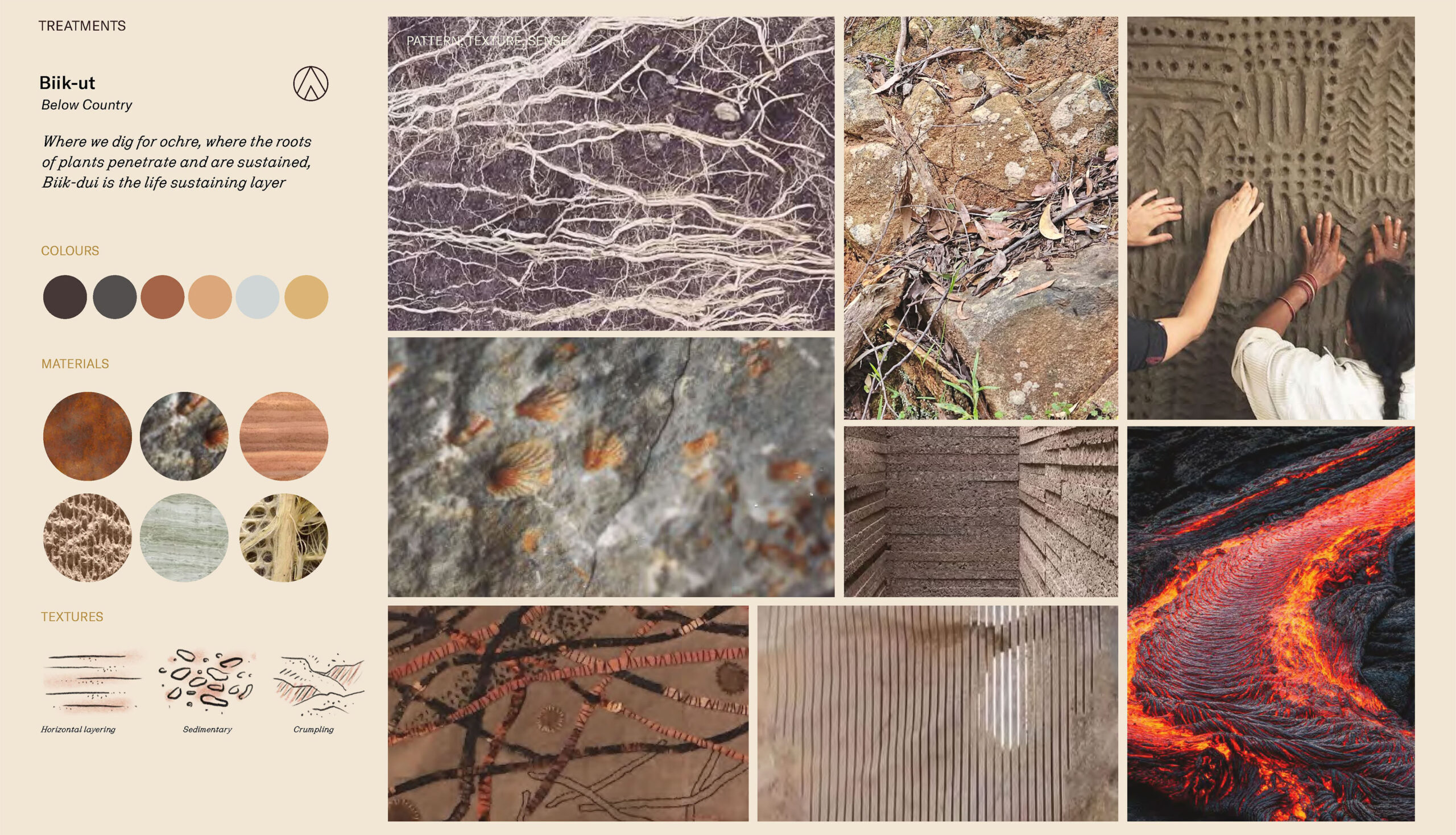
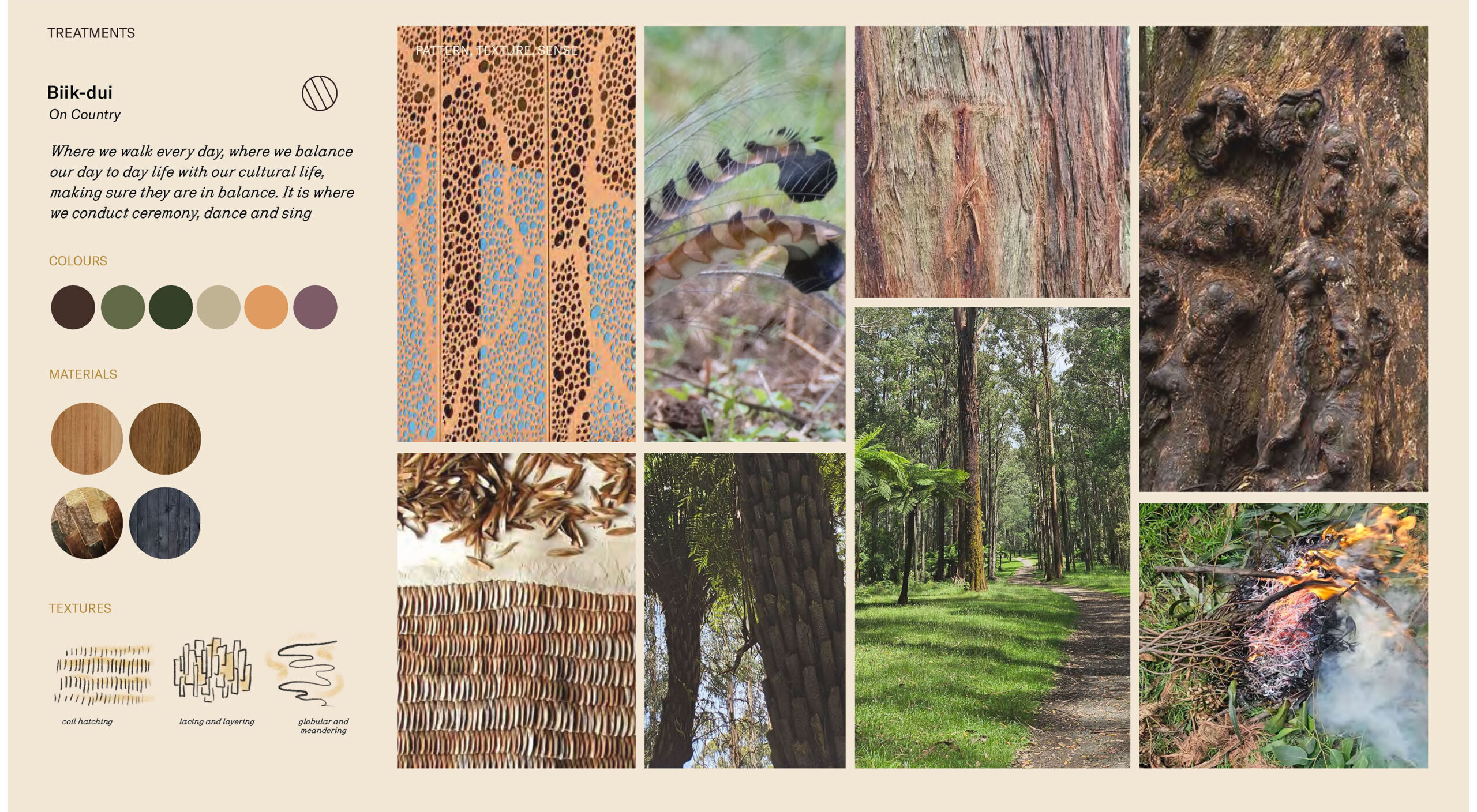
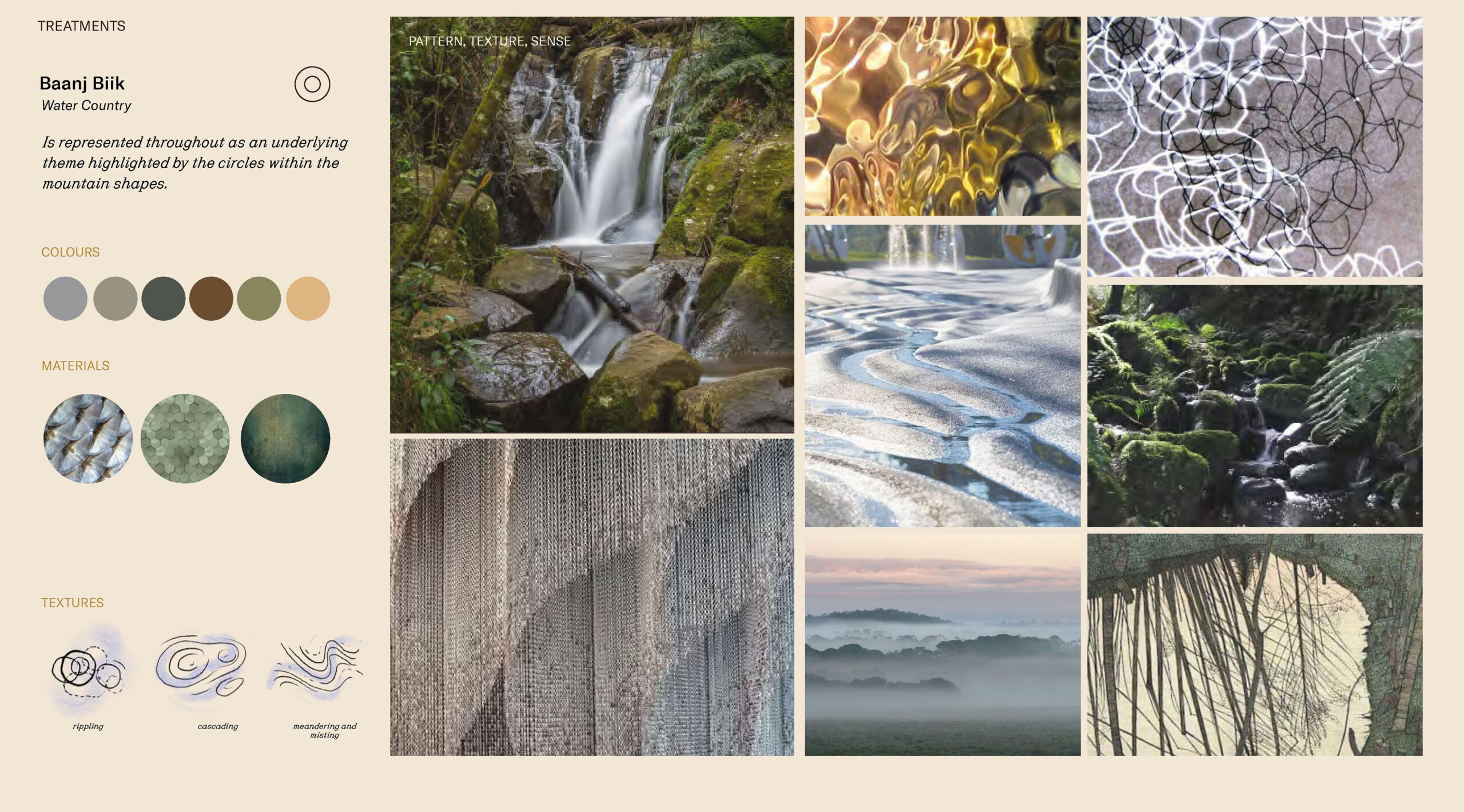
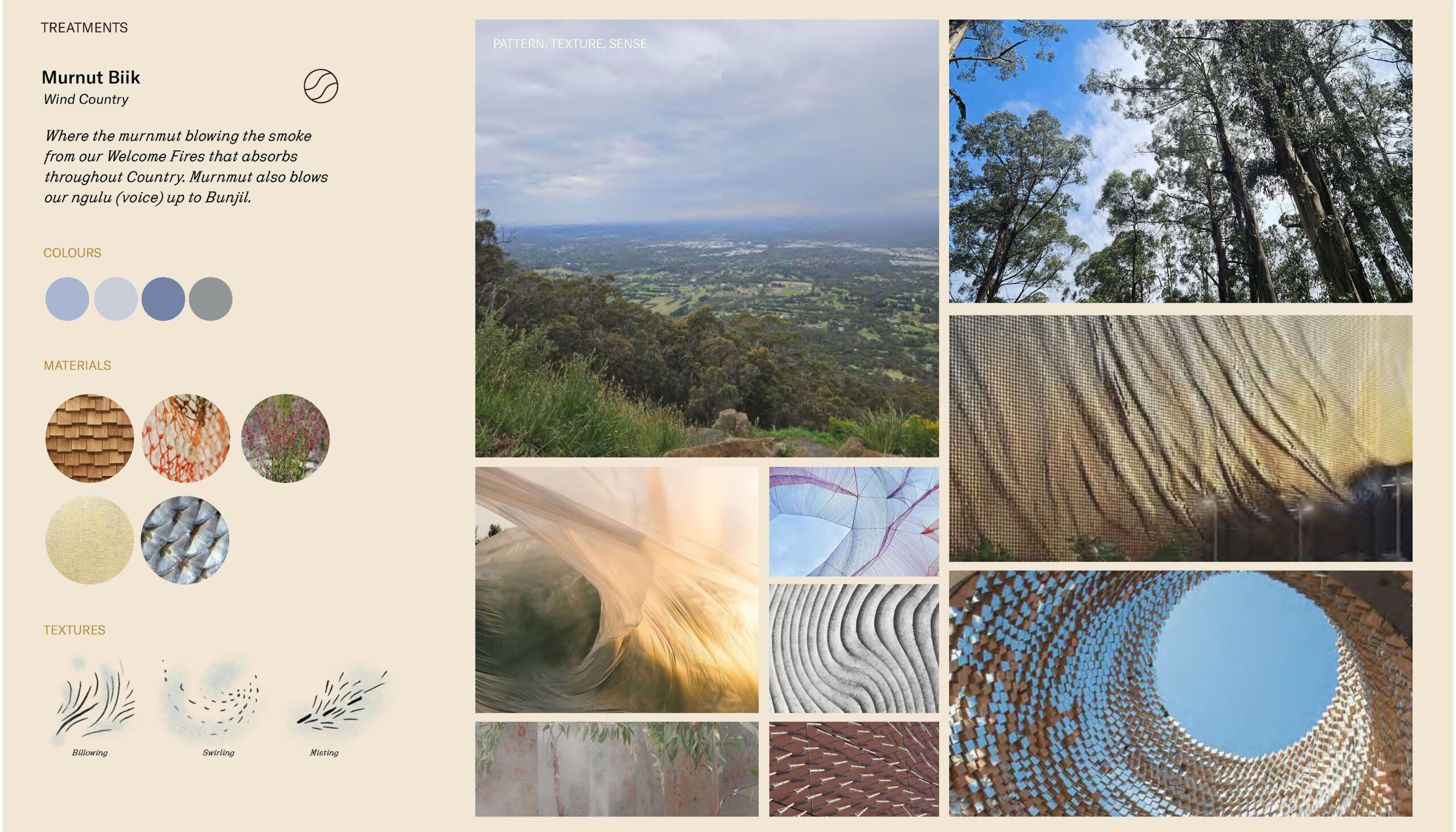
Situated along the five ngurrak barring trails, the Architectural Nodes explore each of the themes of the walk – Ways of Seeing, Country, Community, Activism and Resilience – from an Indigenous perspective.
As well as providing a place to pause and rest, the considered designs of these permanent structures offer an opportunity for deeper contemplation and connection with the Wurundjeri Country of goranwarrabil (the Dandenong Ranges).
IMAGE:
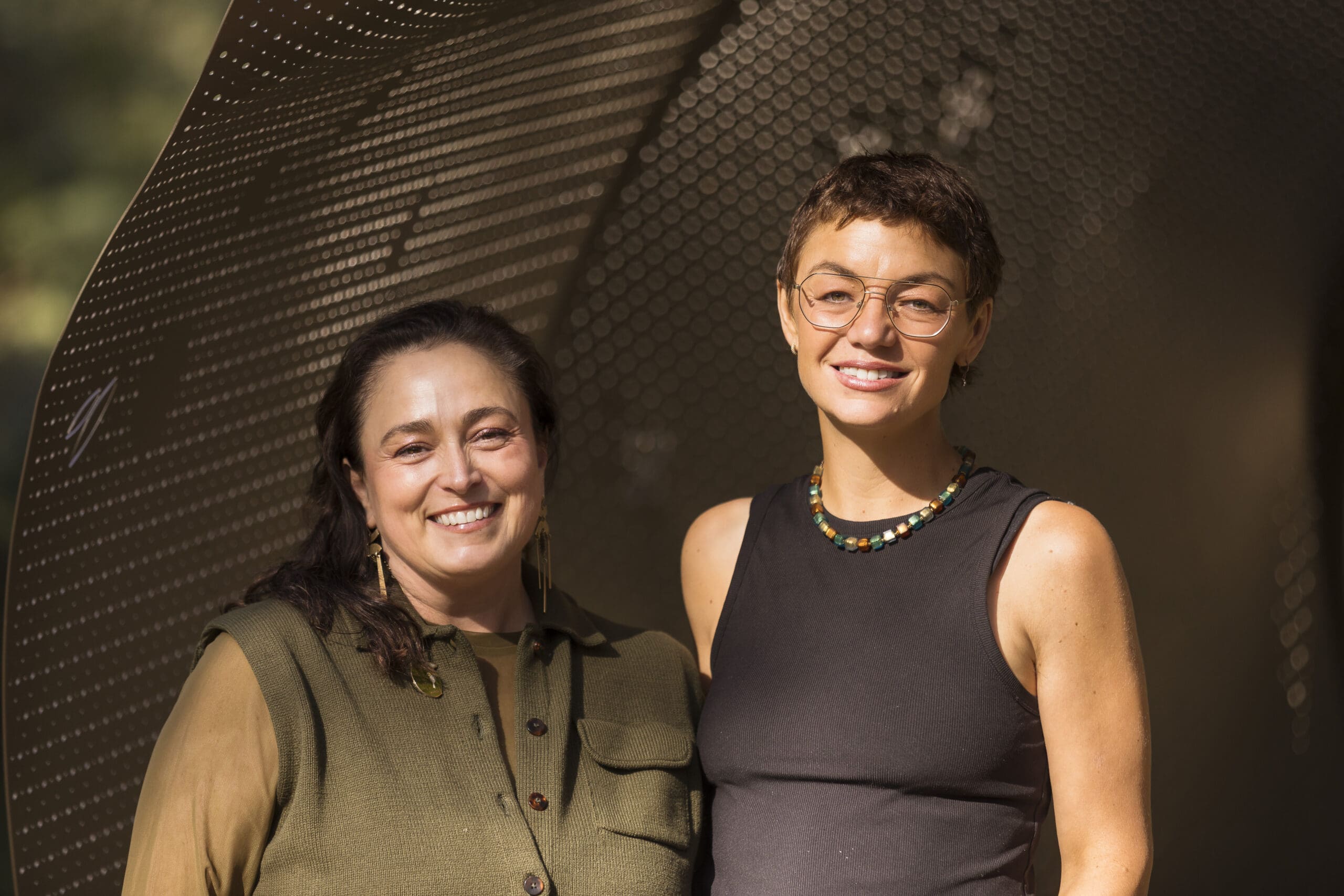
Dr Danièle Hromek (Djinjama) and Kaylie Salvatori (COLA Studio)
Djinjama and COLA Studio: Node Interpretation
WOMINJEKA
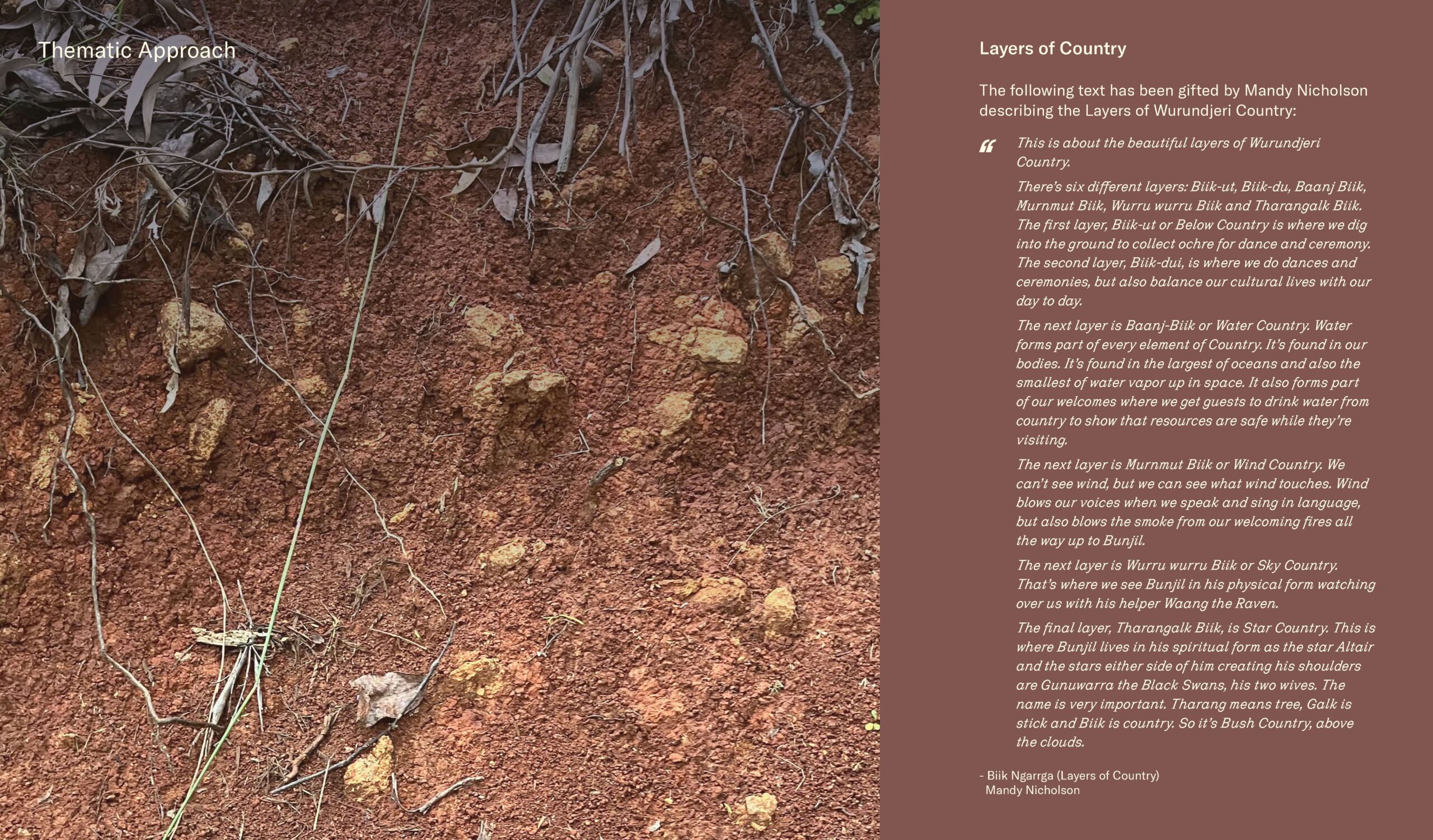
As is the protocol for using language on Country, we start with the language of the land to say Wominjeka, meaning ‘welcome’ and ‘to come with purpose’. The place known now known as the Dandenong Ranges is a place that has welcomed thousands of generations of Woi wurrung (Wurundjeri).
We acknowledge their continuing care and love of this Country, their enduring knowledge of Country, and their wisdom in guiding us to develop this work.
PROTOCOLS
Djinjama
We follow the protocols and ethics taught by Country, Elders, kin and family to ensure our work is respectful of culture and of community, and importantly is considerate of the health and wellbeing of Country:
> Be respectful to Elders, Country and others
> Observe and listen carefully, not only to words said but those not said
> Allow room for thought and reflection, give people and stories space to develop
> Be prepared to learn
> Be grateful
> Ensure reciprocally mutual benefits
> Consume responsibly
> Be open and transparent
> Lead with care and from the rear
> Maintain relationships
COLA Studio
Our obligations to Country, Culture and Community are paramount – we are always working respectfully towards equity, (re)connection and regeneration.
Our work is underpinned by seven core values:
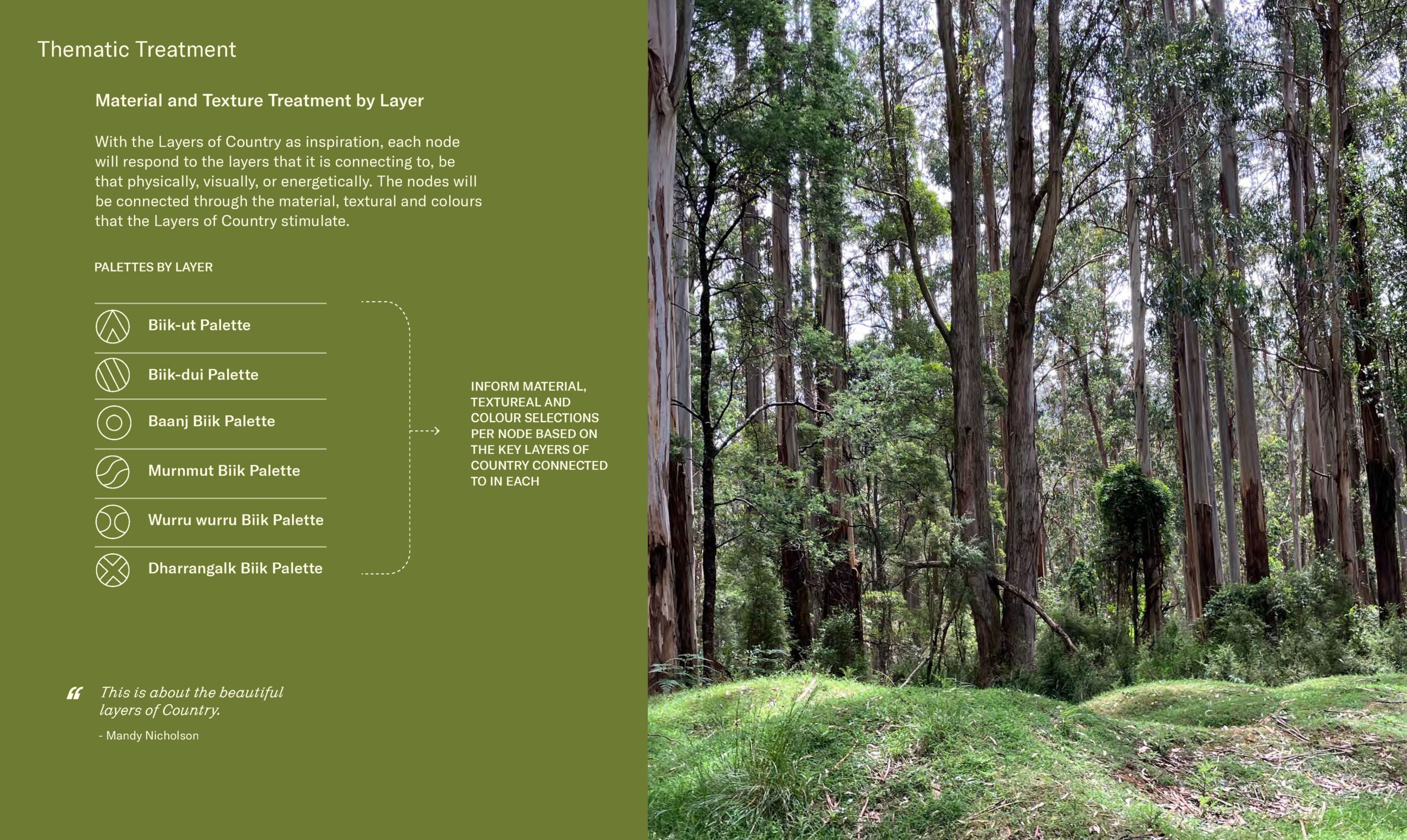
> Nura (Place/Country) driven design
> Country Positive Design – design to heal Country through systems thinking
> Support Agency of Traditional Custodians, Aboriginal advancement and contemporary custodianship
> Engender a culture of care
> Celebrate the sensory
> Design for inclusivity and cultural safety
> Encourage learning and connection
ICIP
We aim to work respectfully with all peoples and to protect the Protocols rights of Country and all entities of Country.
While this work is the copyright of Djinjama and COLA Studio, it is important to note that any Indigenous Cultural Intellectual Property (ICIP) rights remain with those Indigenous peoples or groups from whom it originates. ICIP refers to Indigenous people’s heritage and culture (where heritage includes all aspects of cultural practices, traditional knowledge, and resources and knowledge systems developed by Indigenous people as part of their Indigenous identity) and is collective in that ICIP originates from a clan group and is passed on from generation to generation.

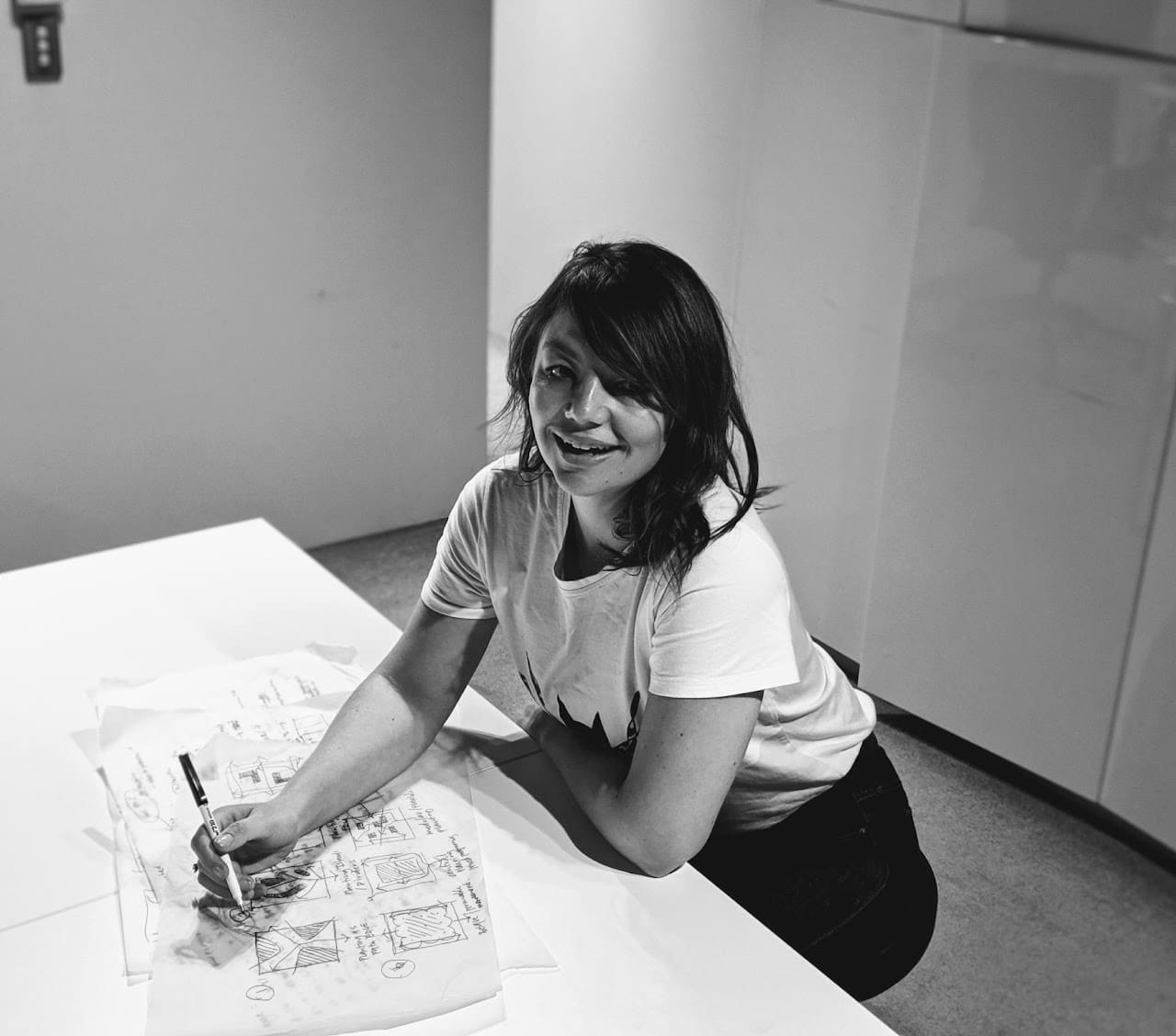
COLA Studio
COLA Studio specialises in cultural placemaking, community and public works as well as select residential and commercial landscape offerings. We produce BIM modelled full scope landscape architectural packages from concept through to construction detailing and delivery. We also offer Indigenous design strategies, cultural art and interpretation strategy services.
Director | Indigenous Design Strategist, Kaylie Salvatori
A Saltwater Budawang (Yuin) Woman, Kaylie Salvatori is a landscape architect, Indigenous design strategist, educator, researcher and artist. Specialising in Indigenous design collaboration, Kaylie’s work centres Country as design generator and driver, asserting the right and need for Traditional Owners and Indigenous knowledge holders to hold power in the design process.