
Activism Node
Crafted by Djinjama and COLA Studio
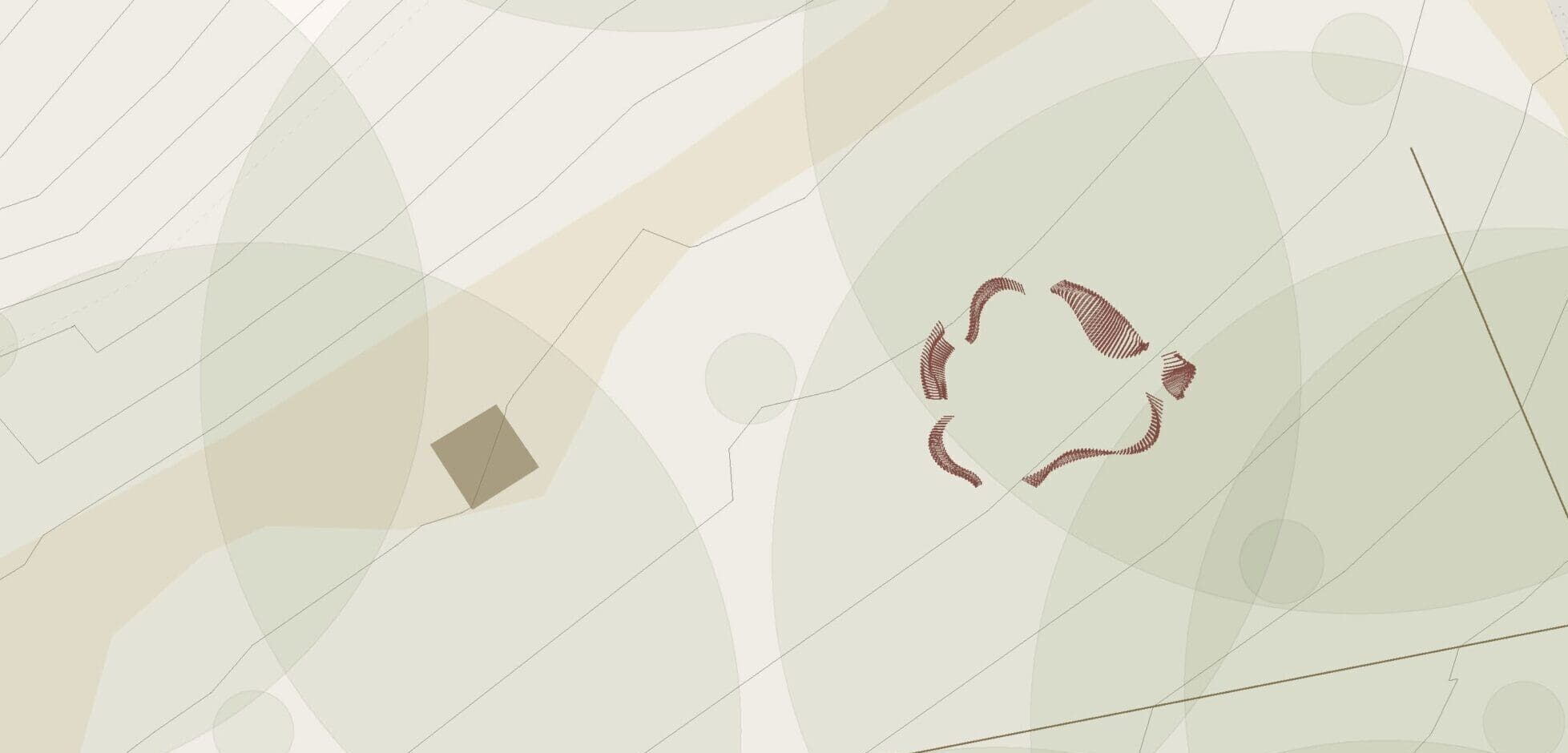
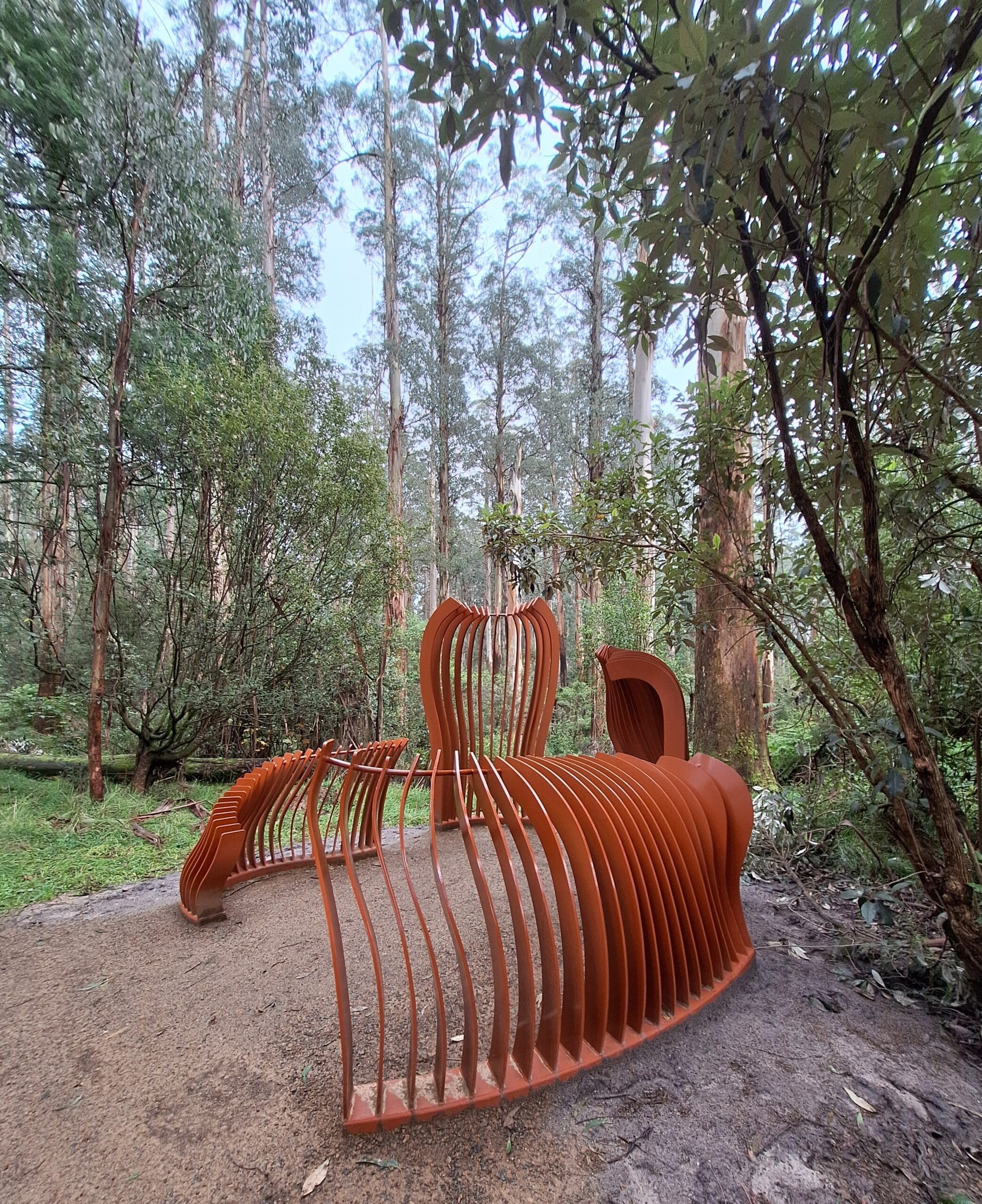
Activism Node
The ngurrak barring Architectural Nodes are collaborative explorations of the themes of the walk through an Indigenous lens, crafted by First Peoples design studios, Djinjama and COLA Studio.
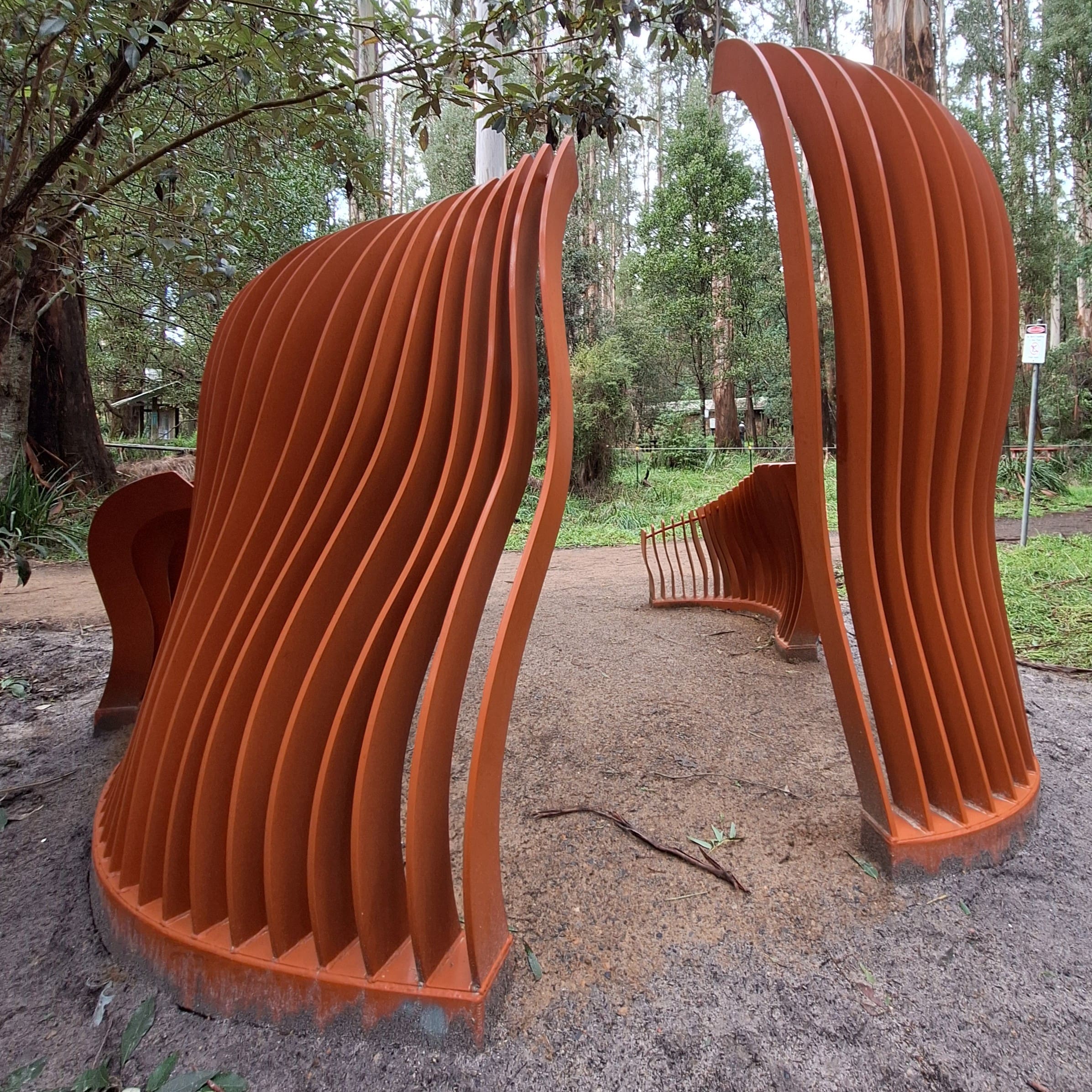
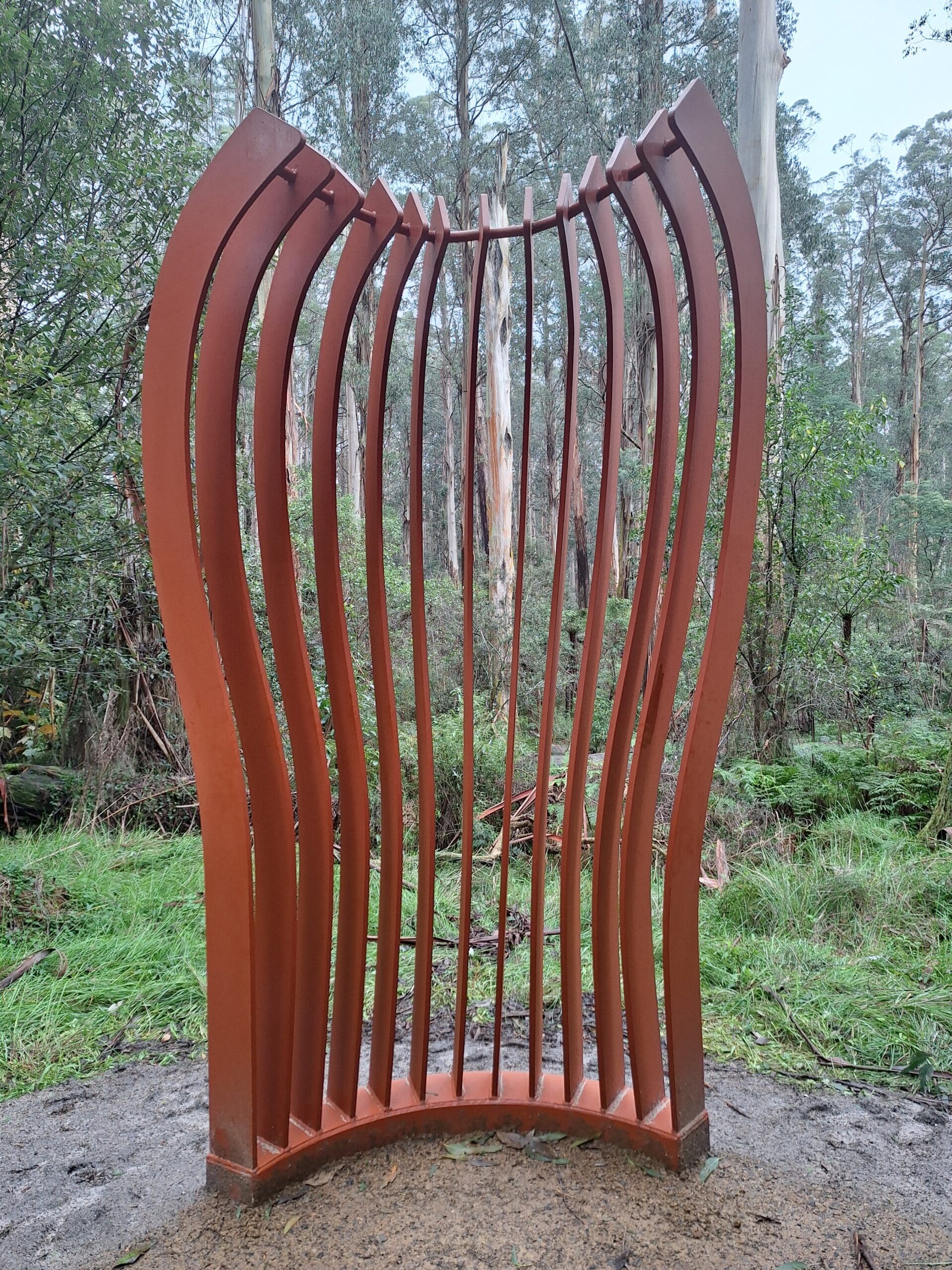
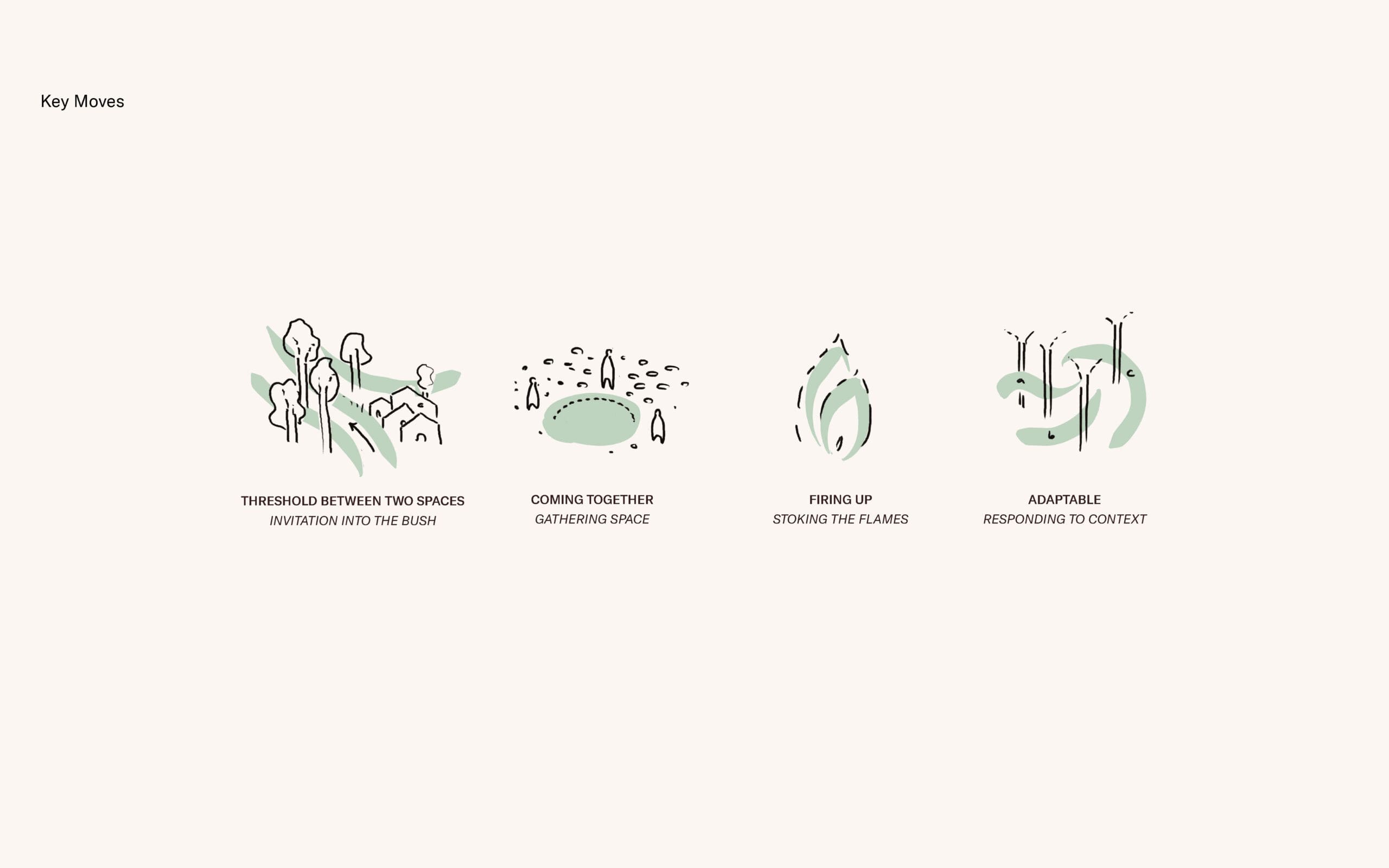
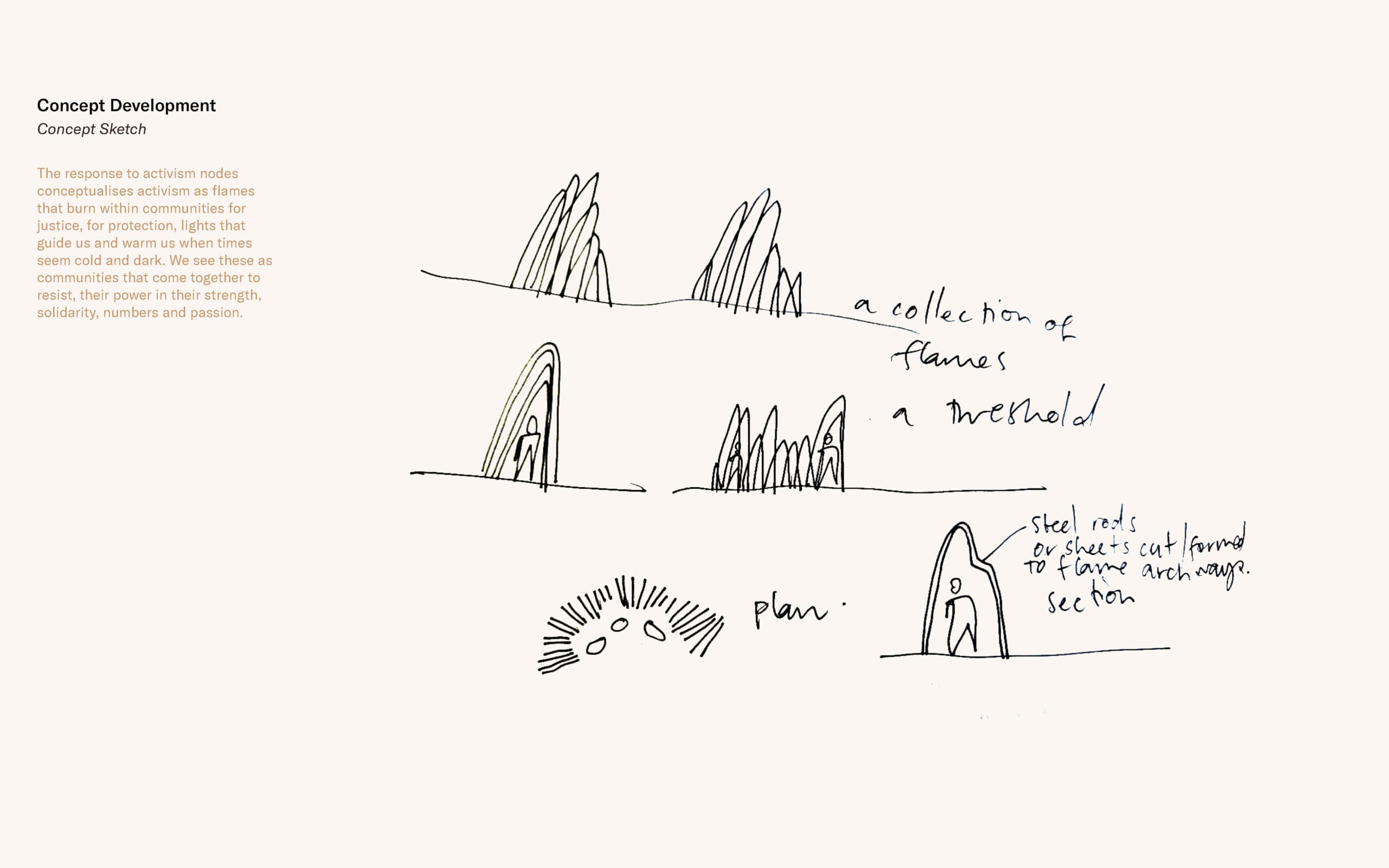
The Activism Nodes conceptualise activism as the sparks within communities that activate them to fight for justice, for protection, lights that guide us and warm us when times seem cold and dark. They are communities that come together to resist. Their power is in their strength, solidarity, numbers and passion. This collection of symbolic flames are arranged in adaptive ways responding to the surrounding context to facilitate gathering, provide a threshold or encourage exploration. Through these varied experiences, the Activism Nodes encourage a ‘stoking of the flames’ to keep the conversation and action going.
– Design statement
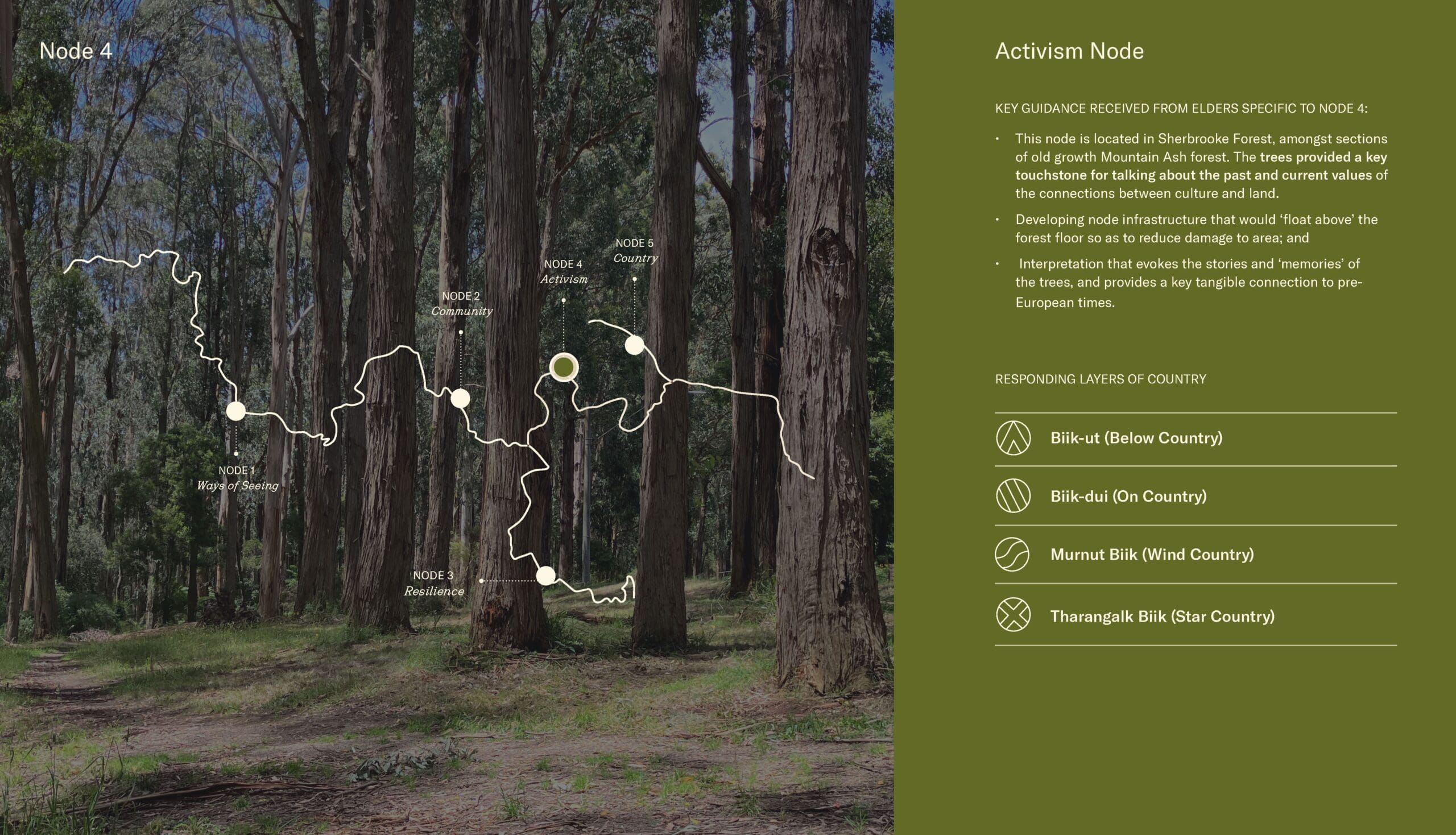
The Activism Node is located in Sherbrooke Picnic Ground.
IMAGE:
Djinjama and COLA Studio
Activism Node, 2026
An invitation to engage with the Node
- What can you see between the gaps of the Node?
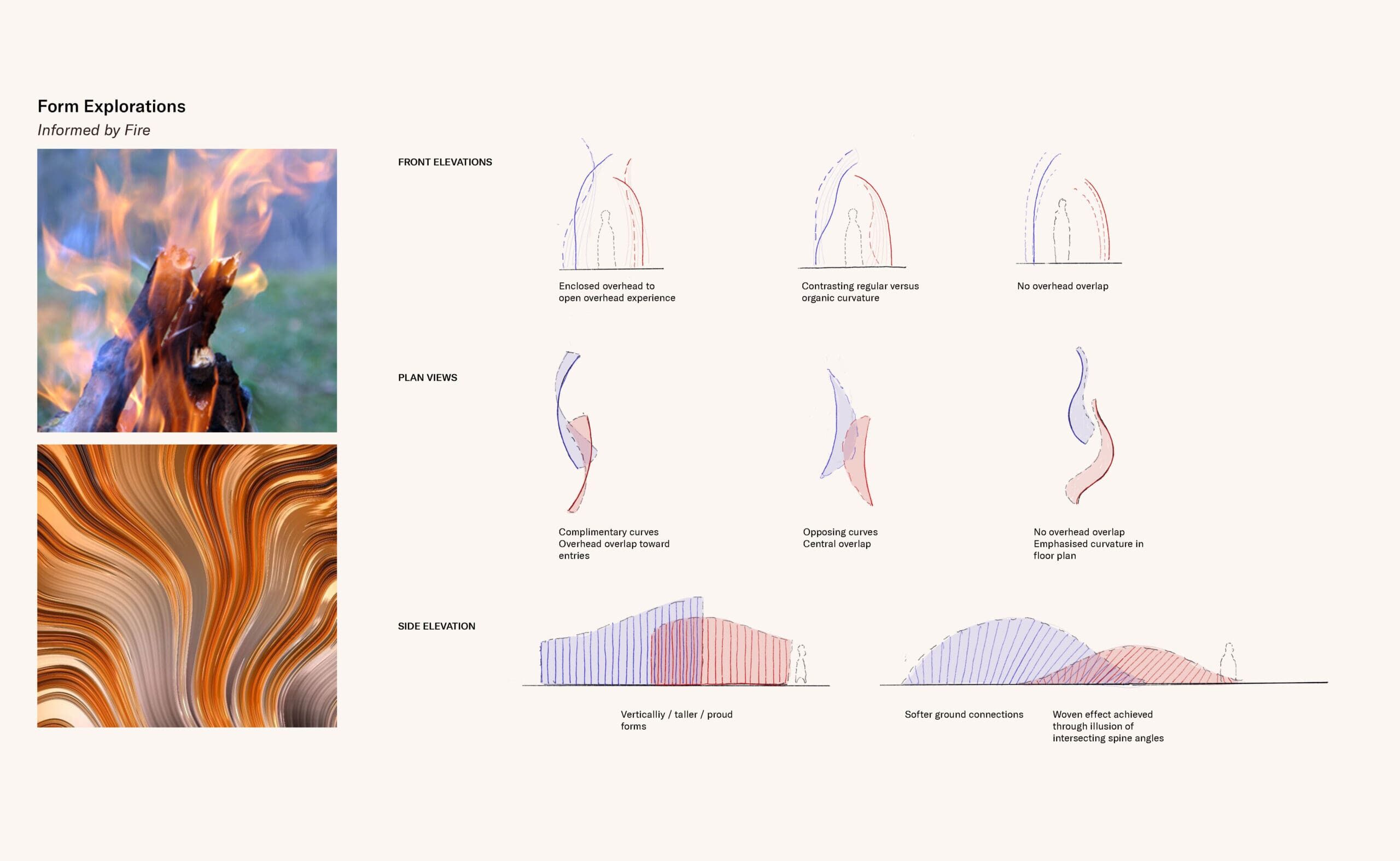
- Look at the shape of the structures – can you tell what element informed the design?
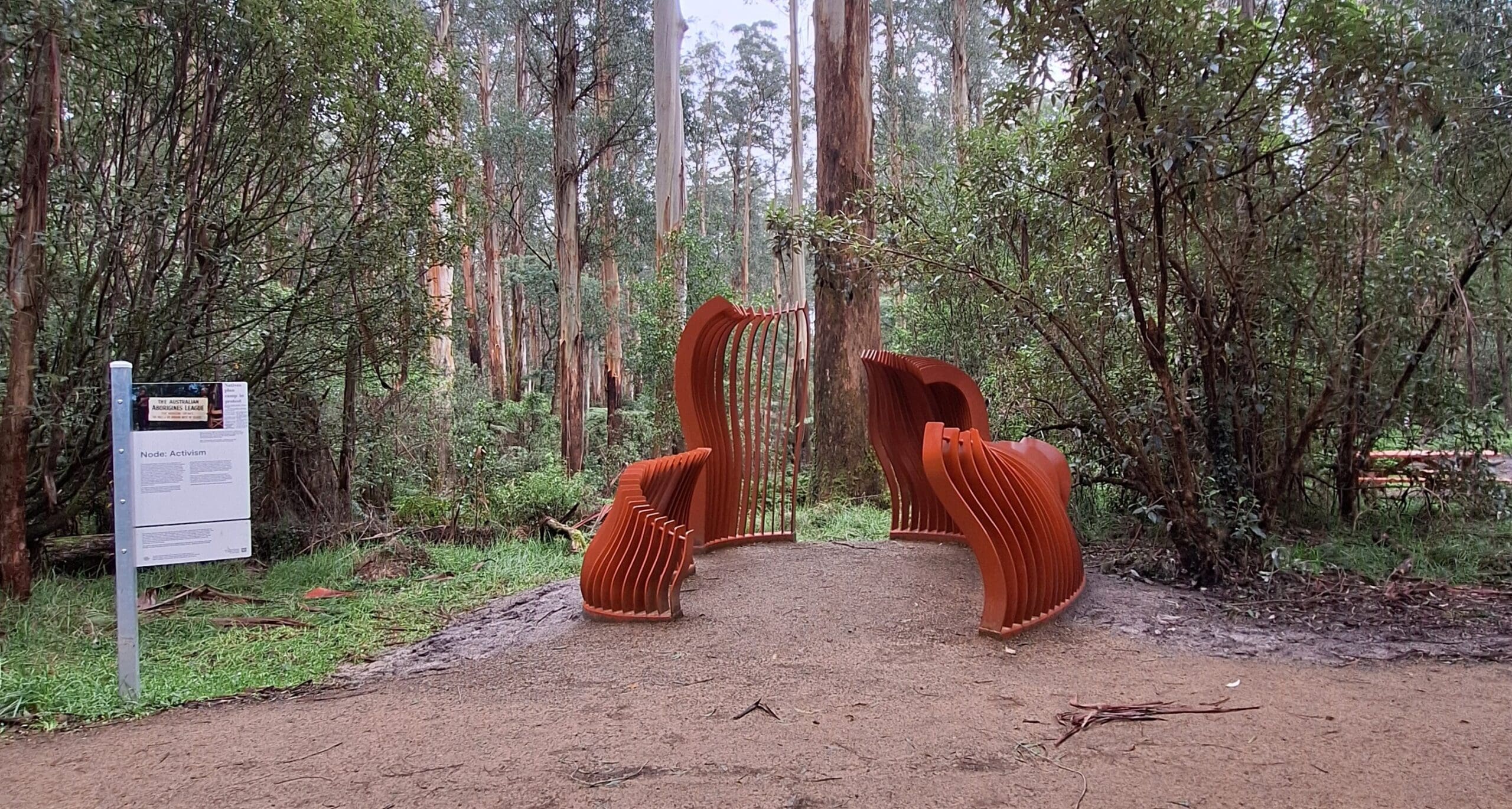
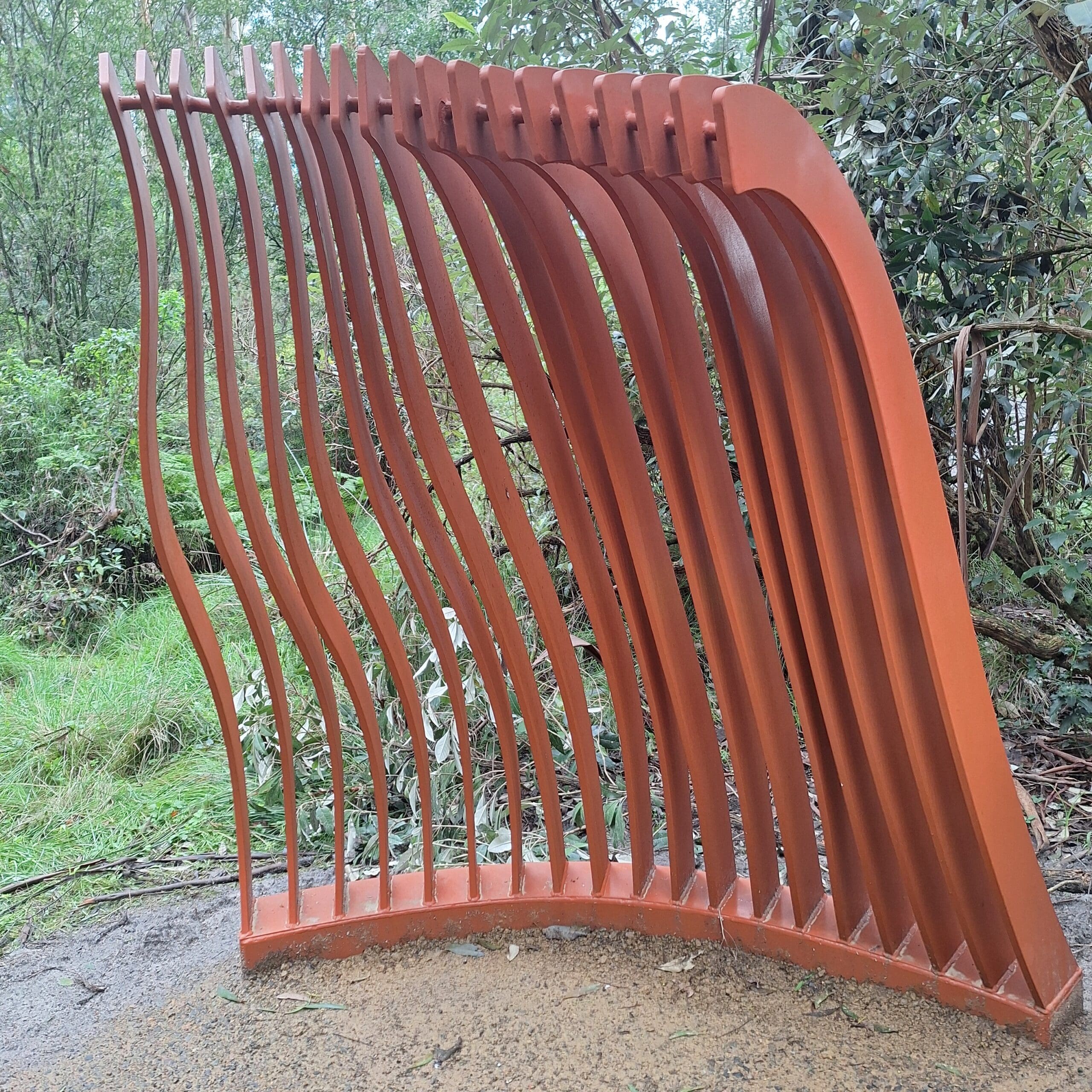
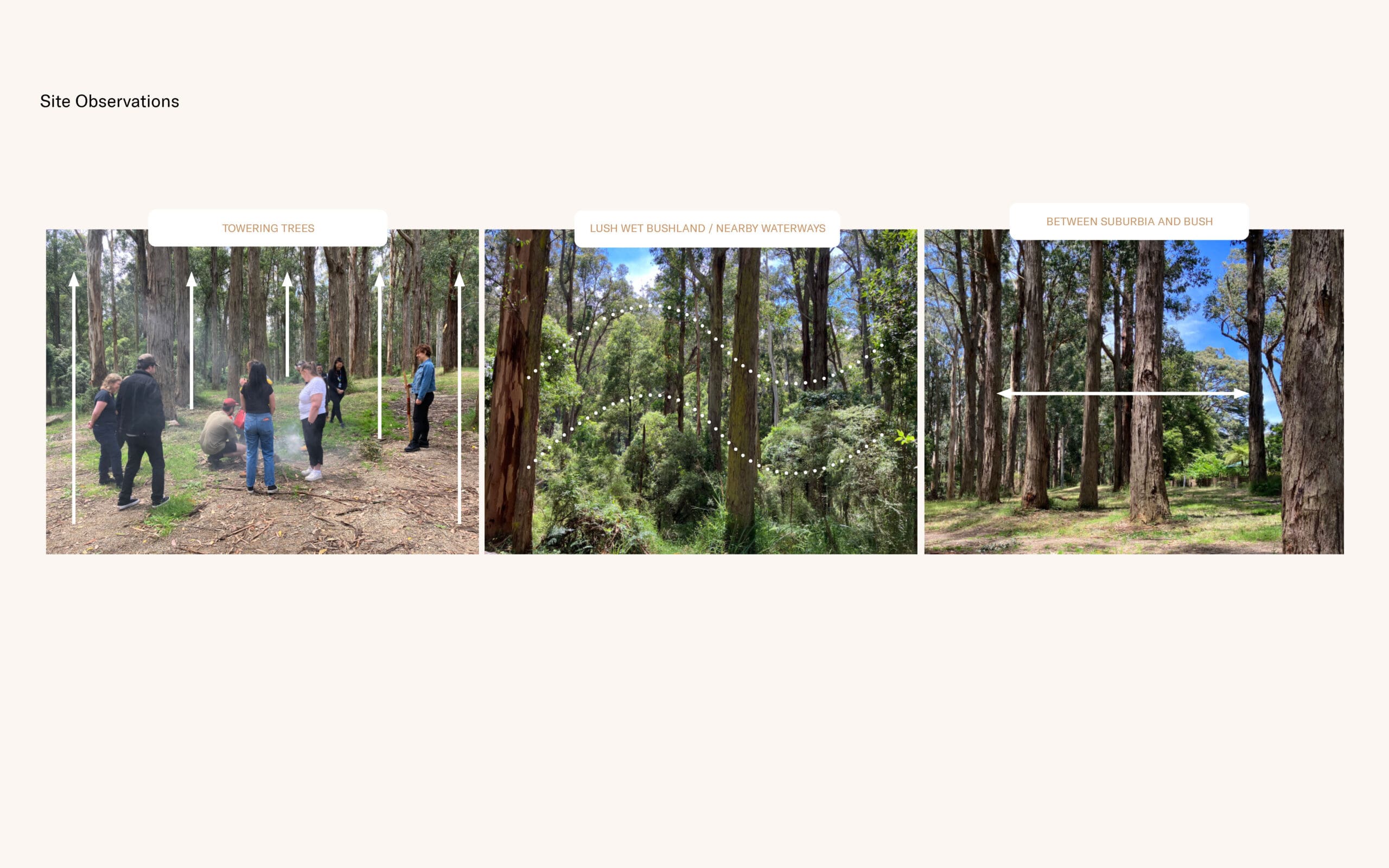
Activism Node: Concept and Design Elements
Djinjama and COLA Studio ICIP statement
We aim to work respectfully with all peoples and to protect the rights of Country and all entities of Country. While this work is the copyright of Djinjama and COLA Studio, it is important to note that any Indigenous Cultural Intellectual Property (ICIP) rights remain with those Indigenous peoples or groups from whom it originates. ICIP refers to Indigenous people’s heritage and culture (where heritage includes all aspects of cultural practices, traditional knowledge, and resources and knowledge systems developed by Indigenous people as part of their Indigenous identity) and is collective in that ICIP originates from a clan group and is passed on from generation to generation.
Trail Conditions and Closures
Activism trails run throughout Sherbrooke Forest.
Whenever you’re visiting our national parks and state forests, please always check changes to trail conditions, and weather warnings, before beginning your walk. Be sure to take enough water and wear suitable clothing for the conditions.